


Optilume Stricture Treatment in Singapore: Minimally Invasive Treatment for Recurrent Urethral Strictures

Personalised urethral stricture care by our experienced urologist, Dr Lee Fang Jann, focuses on restoring comfortable urinary flow.
A weak urine stream, difficulty emptying your bladder or straining to urinate may sometimes be caused by a urethral stricture. If a stricture has returned after previous dilation or urethrotomy, Optilume stricture treatment may be an option worth exploring.
At URODOC, Dr Lee Fang Jann provides careful assessment of your urethral stricture and previous treatment history. Treatment recommendations are tailored to your urinary symptoms, the characteristics of the stricture and your individual needs.
What Is Urethral Stricture?

A urethral stricture occurs when part of the urethra becomes narrowed because of scar tissue. This narrowing can obstruct the normal flow of urine from the bladder and may cause progressively weaker or more difficult urination.
An anterior urethral stricture affects the front portion of the urethra. Causes may include previous instrumentation or catheterisation, trauma, inflammation or infection. In some patients, a stricture can recur after previous dilation or urethrotomy.
When a urethral stricture repeatedly returns after endoscopic treatment, it is known as a recurrent urethral stricture. Management depends on the location and length of the stricture, previous treatment history and the patient’s symptoms.
What Are the Symptoms of Urethral Stricture?
Symptoms vary according to the degree of narrowing.
Common symptoms of urethral stricture disease include:
 |
Difficulty starting urination |
|
A weak or reduced urinary stream |
|
An irregular or spraying urinary stream |
|
Straining to urinate |
|
Pain or discomfort during urination |
|
A feeling that the bladder has not emptied completely |
|
Dribbling after urination |
More significant narrowing may interfere with bladder emptying and, in some cases, contribute to urinary tract infections or urinary retention.
What Is Optilume?
Optilume treatment uses a specialised drug-coated balloon to treat selected anterior urethral strictures. The balloon is positioned across the narrowed section of the urethra and inflated to widen the passage.
As the balloon expands, it creates small disruptions in the scarred tissue, allowing paclitaxel to be delivered directly to the treated area. Paclitaxel is intended to limit excessive cell proliferation and scar-tissue formation.
The Optilume urethral drug-coated balloon therefore combines mechanical dilation with localised drug delivery in a single treatment.
Who Is Optilume Suitable For?
Optilume is intended for adult men with obstructive urinary symptoms associated with selected anterior urethral strictures.
Suitability depends on factors such as:
 |
Location of the stricture |
|
Length and severity of the narrowing |
|
Previous dilation or urethrotomy |
|
Current urinary symptoms |
|
Urethral anatomy |
|
Overall health and treatment goals |
Our specialist will review these factors with you and explain whether this treatment is appropriate for your individual condition and needs.
How Does Optilume Work?
The Optilume balloon treatment combines mechanical dilation of the urethral stricture with local delivery of paclitaxel.

1. Balloon Insertion
A specialised catheter containing the drug-coated balloon is guided through the urethra and positioned across the narrowed section. Cystoscopic visualisation and, where appropriate, imaging may be used to confirm positioning.

2. Mechanical Dilation
The balloon is inflated within the narrowed area. This mechanically expands the urethral lumen and disrupts the scar tissue, creating small openings within the treated tissue.
The immediate purpose of this part of the stricture procedure is to widen the narrowed urethral passage and improve urine flow.

3. Paclitaxel Delivery
Once the balloon is expanded, paclitaxel from the balloon coating is delivered locally to the treated area. The small tissue disruptions created during dilation allow the drug to reach the underlying tissue.
Paclitaxel is an antiproliferative medicine. Its local application is intended to limit excessive cell proliferation and the formation of new scar tissue.

4. Limiting Scar-Tissue Formation
Urethral strictures can recur because the healing process may result in further scar formation. By combining dilation with local paclitaxel delivery, Optilume treatment is designed to reduce the tendency for recurrent scar formation.
What Are the Benefits of Optilume?
Benefits of Optilume include:

Relief of urinary symptoms – Treatment helps improve symptoms caused by narrowing of the urethra, such as a weak urine stream or difficulty passing urine.

Improved urine flow – Widening the narrowed section can allow urine to pass more freely.

Minimally invasive treatment – Optilume is performed through the urethra without reconstructive urethral surgery.

Option for recurrent strictures – Optilume may be considered for selected men whose stricture has returned after previous endoscopic treatment.
These benefits do not mean that Optilume for urethral stricture is suitable for every patient or that recurrence can be completely prevented. Treatment selection should be based on the individual characteristics of the stricture and previous treatment history.
How Effective Is Optilume?
Clinical results presented in the Optilume brochure include men with recurrent urethral strictures who had previously undergone between one and four dilations. At five years, 72% of patients remained free from repeat intervention.
For men whose strictures have returned after previous treatment, these results are relevant because they indicate that some patients were able to remain free from another intervention over five years, alongside improvements in urinary flow, symptoms and bladder emptying.
These results are based on the patients studied and do not mean that recurrence or further treatment can be prevented in every patient. Individual outcomes can vary.
Optilume and Other Urethral Stricture Treatments
Different urethral stricture treatment options may be considered depending on the location, length, severity and recurrence of the stricture. Each approach works differently. Our specialist can explain which options may be appropriate based on the individual’s condition and previous treatment.

Urethral Dilation
Urethral stricture dilation involves mechanically widening the narrowed section of the urethra to improve the passage of urine. Recurrence can occur after dilation, and further treatment may sometimes be required.
Optilume balloon treatment also uses mechanical dilation, with the addition of localised paclitaxel delivery to the treated area. The treatment is designed to limit scar-tissue formation following dilation.

Urethrotomy / DVIU
Direct vision internal urethrotomy (DVIU) uses an endoscopic instrument to make an incision through the scar tissue and open the narrowed section of the urethra. The Optilume procedure uses a drug-coated balloon to dilate the narrowed area while delivering paclitaxel locally.
Both approaches can be considered in the management of urethral strictures, depending on the individual’s stricture characteristics and previous treatment.

Urethroplasty
Urethroplasty is a reconstructive urethral stricture surgery used to repair the narrowed section of the urethra. The specific surgical technique depends on factors such as the location, length and characteristics of the stricture.
Optilume is an endoscopic treatment and does not involve reconstructive surgery. Urethroplasty may be considered for certain strictures, including some that are longer, recurrent or less suitable for endoscopic treatment.
The appropriate approach depends on the individual stricture, previous treatment and overall health. Our specialist can discuss the available options and explain the potential benefits, risks and limitations of each approach.
What Happens During an Optilume Procedure?
Before the Optilume procedure, our specialist assesses the urethral stricture and confirms whether the location, length and anatomy are suitable for treatment.
During the procedure:
- The urethral narrowing is identified and assessed
- The Optilume catheter is positioned across the stricture
- The balloon is inflated to widen the narrowed area mechanically
- The balloon delivers paclitaxel to the treated tissue
- The balloon and catheter are then removed
Optilume is designed for use with cystoscopic guidance, with rigid or flexible cystoscopy depending on the device and clinical circumstances. Fluoroscopy and/or direct visualisation may also be used.
The exact approach, anaesthesia and post-procedure arrangements depend on the patient’s anatomy, medical history and our specialist’s assessment.
Optilume Recovery and Post-Procedure Care
Recovery after Optilume stricture treatment is generally focused on following the post-procedure instructions provided by our specialist.
|
Avoid strenuous physical activity for the first 24–48 hours after treatment |
|
Start prescribed medication immediately after treatment, as directed by our surgeon |
|
Contact your physician if you experience significant pain or bleeding |
|
Avoid sexual activity or use a condom for 30 days after treatment to reduce sexual partner exposure to paclitaxel |
|
Postpone sexual activity or use highly effective contraception with sexual partners who could become pregnant for at least six months after treatment, due to potential risks to a foetus |
These precautions relate specifically to treatment with the Optilume drug-coated balloon and the local delivery of paclitaxel.
Is Optilume Safe?
Optilume is generally well tolerated, but like any medical procedure, it carries potential risks.
These may include:
- Blood in the urine
- Painful urination
- Urinary tract infection
- Difficulty passing urine or urinary retention
- Recurrence of the urethral stricture
- Hypersensitivity or allergic reactions to paclitaxel
Optilume is not suitable for everyone, including patients with known hypersensitivity to paclitaxel or certain urological implants. Our specialist will review your medical history, previous treatment and urethral anatomy to assess whether Optilume for urethral stricture is appropriate.
Why Choose Our Optilume Specialist?
At URODOC, patients receive personalised care for urethral stricture and other urological conditions in a professional and confidential setting.
Dr Lee Fang Jann is a urologist and renal transplant surgeon with a particular focus on men’s health and minimally invasive urological treatments.
Our surgeon focuses on:
- Specialist urology care for urethral stricture disease and urinary symptoms
- Personalised assessment based on the stricture’s location, length, severity and previous treatment
- Assessment for Optilume suitability in selected cases of anterior urethral stricture
- Clear explanation of treatment options, including Optilume and other urethral stricture treatment approaches
- Professional and discreet consultations for sensitive urinary and men’s health concerns
Book a Private and Professional Consultation
Persistent urinary difficulties or a stricture that has returned after previous treatment can be frustrating and affect everyday comfort and confidence. At URODOC, men receive clear, personalised guidance on urethral stricture procedures, with recommendations based on their individual condition and treatment history.
If you have been experiencing persistent urinary symptoms, a private consultation with Dr Lee Fang Jann can help clarify the cause and appropriate treatment options. He provides discreet, specialist-led assessment in a professional setting, allowing you to discuss your concerns comfortably.
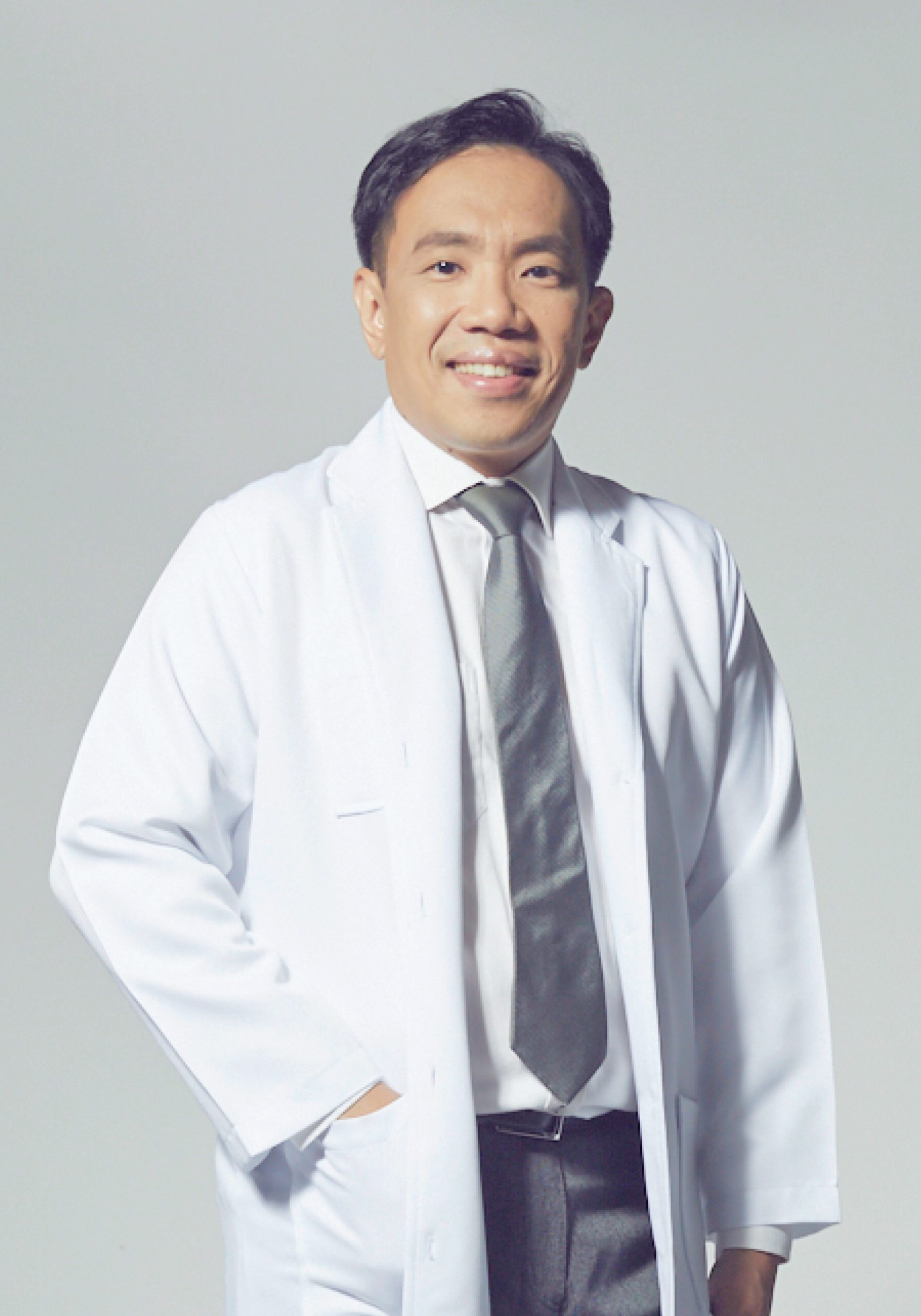
Dr Lee Fang Jann 
Dr Lee is a urologist and kidney transplant surgeon with a broad-based expertise of all urological disorders
He has subspecialty focus on men’s health and male infertility, and special interest in minimally invasive prostate enlargement therapy and kidney stone treatment. Dr Lee has received numerous awards for service excellence such as the Service With A Heart Award (2006-2008, 2011) and the Singapore Health Quality Service Award (2016).
- Bachelor of Medicine and Bachelor of Surgery (Singapore)
- Membership of The Royal College of Surgeons (Edin)
- Master of Medicine (Surgery) (Singapore)
- Fellowship of the Academy of Medicine (Urology)
- Clinical fellowship at Oxford Transplant Centre in the UK
Prior to entering private practice, Dr Lee served in the public sector for 16 years at SGH, where he initiated dedicated clinics evaluating and treating patients with complex men’s health and fertility issues. He also led the Renal Transplant Program and laparoscopic donor nephrectomy service as Surgical Director.
Apart from clinical work, Dr Lee is active in academia and believes in the importance of grooming the next generation of doctor. He was Senior Clinical Lecturer at NUS’ Yong Loo Lin School of Medicine and currently, Adjunct Assistant Professor at the Duke-NUS Medical School. Dr Lee is also regularly invited to share his experiences locally and regionally through lectures, workshops and surgical demonstrations.
Our Clinic Locations

Farrer Park Medical Centre, #08-05
1 Farrer Park Station Rd, Singapore 217562


Mon – Fri: 8:30am to 5:30pm
Sat: 8:30am to 12:30pm

3 Mount Elizabeth, #11-16 Medical Centre, Singapore 228510


Mon – Fri: 8:30am to 5:30pm
Sat: 8:30am to 12:30pm
Frequently Asked Questions
What is Optilume?

Optilume is a drug-coated balloon treatment that widens selected urethral strictures while delivering paclitaxel locally to the treated area.
Can urethral stricture come back after Optilume?
Yes, recurrence can still occur, which is why follow-up may be recommended after treatment.
Is Optilume painful?
Some discomfort or urinary symptoms may occur after treatment, and our specialist can explain what to expect during recovery.
How long does it take to recover from Optilume?
Recovery varies, but the post-procedure instructions advise avoiding strenuous activity for the first 24–48 hours after treatment.
When can I have sex after Optilume?
The supplied post-procedure instructions advise abstaining from sex or using a condom for 30 days, with additional precautions for partners who could become pregnant.
Is Optilume an alternative to DVIU?
Optilume and DVIU use different approaches to open a urethral stricture, and the appropriate option depends on the characteristics of the individual stricture and previous treatment.
Is Optilume an alternative to urethroplasty?
Optilume is an endoscopic treatment, while urethroplasty is reconstructive surgery, so suitability depends on the location, length and characteristics of the stricture.
How much does Optilume cost in Singapore?
The cost depends on factors such as the procedure, number of implants or devices required, facility and other treatment-related fees, and a personalised estimate can be provided after assessment.