Did you know that the human ureter naturally contracts in wave-like motions every 30 seconds, and a stent disrupts this rhythm? A kidney stent (ureteral stent) is a thin, flexible tube placed between your kidney and bladder. It maintains urine flow when the ureter becomes blocked or needs support after surgery. The ureter is the tube that carries urine from your kidney to your bladder.
The stent’s presence often causes bladder irritation, flank discomfort during urination, and urinary frequency. These sensations occur because the stent creates a constant foreign body sensation. It also allows urine to flow backwards during bladder contractions.
Understanding Your Stent-Related Discomfort
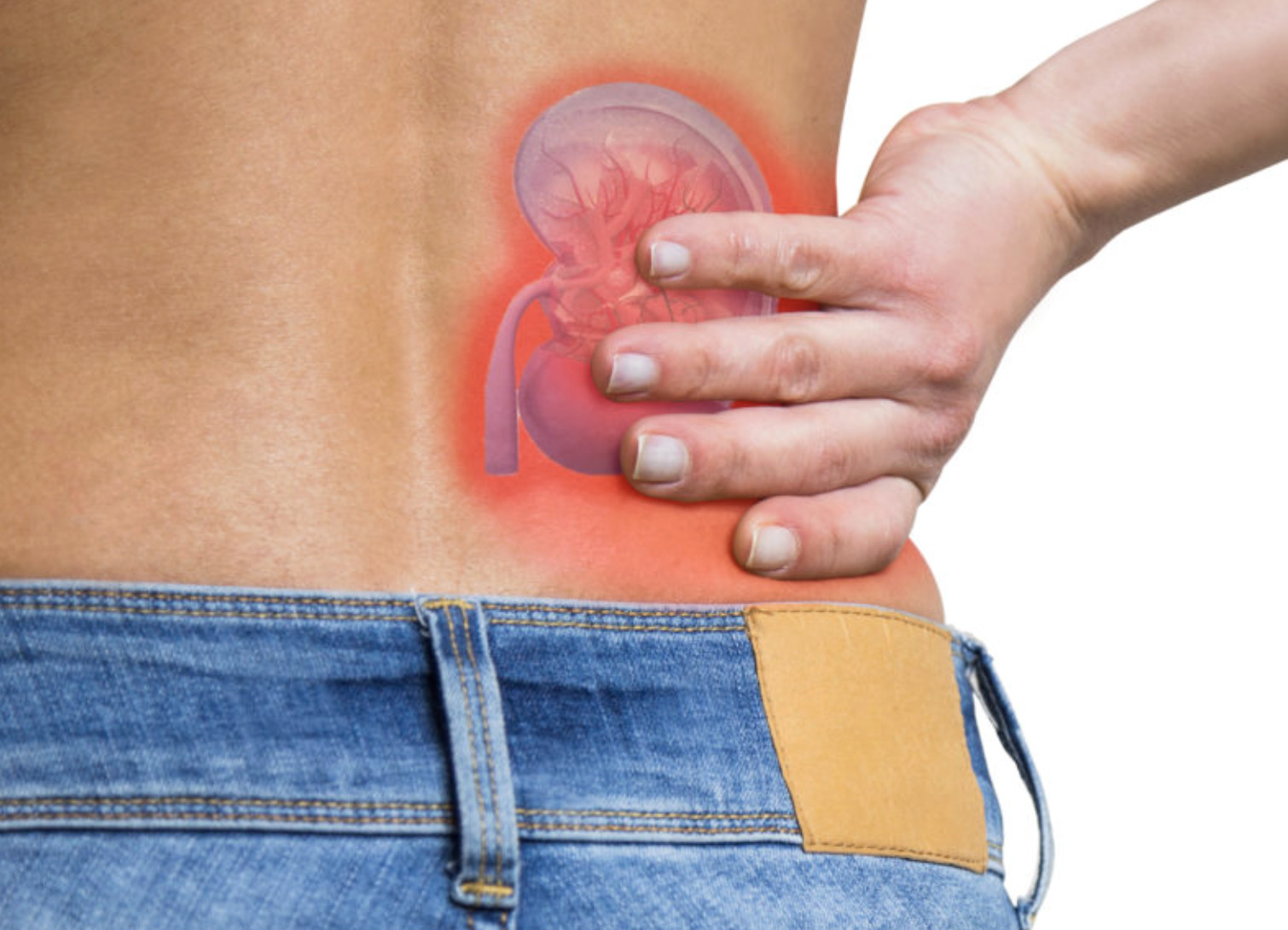
The J-shaped design of your ureteral stent keeps it anchored between your kidney and bladder. Coiled ends prevent migration. This positioning creates several distinct sensations. The bladder end triggers nerve receptors that signal fullness even when your bladder contains minimal urine. During urination, the open channel created by the stent allows urine to flow backwards toward your kidney. This can cause pressure in your flank, the area on your side between your ribs and hip, or back.
Physical activity increases stent awareness because movement shifts the tube slightly within the ureter. Friction between the stent and the ureteral lining causes inflammation. This can lead to cramping sensations. Blood-tinged urine appears intermittently as the stent irritates the delicate urinary tract lining during body movements.
Your body perceives the stent as a urinary tract infection, a bacterial infection of the bladder or urinary system, due to the constant irritation it causes. This triggers frequent urination urges without actual infection. This response intensifies during the initial days after placement as your urinary system adapts to the foreign object.
Positioning Techniques for Comfort
Body positioning significantly influences stent-related discomfort levels throughout the day. Lying on your opposite side (away from the stented kidney) can help reduce gravitational pressure on the affected ureter. Place a pillow between your knees to maintain spinal alignment and prevent the stent from shifting during sleep.
Elevating your legs while resting can help decrease bladder pressure by promoting venous return (blood flow back to the heart) and reducing pelvic congestion. Use a wedge pillow or stack regular pillows to achieve a moderate angle. This position particularly helps during episodes of bladder spasms (sudden, involuntary muscle contractions) or cramping.
Standing and walking require deliberate posture adjustments. Maintaining a slight forward lean when walking can help reduce retrograde urine flow (urine moving backwards) during movement. Take shorter steps rather than long strides to minimise stent movement within the ureter. When transitioning from sitting to standing, move slowly to allow your urinary system to adjust to the change in position.
Sitting positions need to be modified for extended periods. Use a cushion with a coccyx cutout (a space designed to relieve pressure on your tailbone) to reduce direct pressure on the pelvic floor. Alternate between sitting and standing regularly to prevent position-related bladder irritation. Avoid deep squatting or positions that compress the lower abdomen.
Hydration and Dietary Modifications
Water intake directly affects stent comfort by diluting urine concentration and reducing irritation. Consuming adequate amounts of water daily may be beneficial. Distributing intake evenly throughout waking hours can help. Room temperature water may cause less bladder stimulation than cold beverages. Stopping central fluid intake several hours before bedtime may help reduce nighttime urination frequency.
Certain beverages can worsen stent symptoms by irritating the bladder. Coffee, tea, and alcohol may increase bladder muscle contractions, potentially intensifying discomfort during urination. Carbonated drinks create gas bubbles that may increase abdominal pressure. Citrus juices, despite their vitamin C content, may increase urine acidity and stent-related burning sensations.
Dietary choices may influence urinary pH and inflammation levels:
- Reducing sodium intake may help decrease fluid retention and bladder pressure
- Limiting spicy foods, tomato-based products, and artificial sweeteners that may irritate the bladder lining
- Including foods with anti-inflammatory properties like blueberries, cherries, and leafy greens may support urinary tract health
Timing fluid intake around activities may help predict and control symptoms. Drinking larger amounts of water before planned rest periods may be helpful. Reducing intake before physical activities or outings where bathroom access might be limited may be beneficial. Keeping a water bottle nearby and taking small sips consistently rather than large volumes at once may be preferable. A healthcare professional can provide personalised guidance on hydration and dietary modifications.
Pain Management Strategies
Over-the-counter medications can provide baseline relief when used strategically. Ibuprofen (a pain reliever and anti-inflammatory medicine) helps reduce inflammation around the stent. Paracetamol can supplement NSAIDs for breakthrough pain. Phenazopyridine temporarily numbs the urinary tract but turns urine orange. The appropriate dosage and frequency for these medications should be determined by a healthcare professional.
Heat application relaxes urinary tract muscles and reduces cramping. Apply a heating pad to your lower back or abdomen for 15-20 minute intervals. Warm baths provide whole-body muscle relaxation whilst the buoyancy reduces gravitational pressure on the stent. Add Epsom salts to enhance muscle relaxation without using bubble baths or oils that might irritate the urethra.
💡 Did You Know?
The ureter contains smooth muscle that responds to both voluntary relaxation techniques and involuntary nervous system signals. Deep breathing exercises can help reduce ureteral spasms by activating the parasympathetic nervous system.
Prescription medications may be necessary for severe symptoms. Alpha-blockers like tamsulosin relax the ureter smooth muscle, reducing stent-related discomfort and improving urine flow. Anticholinergic medications (medicines that reduce bladder muscle spasms) decrease bladder spasms but may cause dry mouth and constipation. Your urologist can determine whether prescription medications are suitable based on your symptom severity and individual health factors.
Activity Modifications During Stent Placement
Physical activities require careful modification rather than complete avoidance. Walking remains beneficial for preventing blood clots and maintaining circulation.
- Limit walking sessions to a short duration initially
- Gradually increase duration as tolerated
- Use handrails when available to maintain stability if experiencing dizziness from pain medications
Lifting restrictions helps protect the stent from displacement. Keep lifted objects below a moderate weight during the first week after placement.
- Use proper lifting mechanics by bending at the knees rather than the waist
- Push or pull objects using wheels whenever possible instead of carrying them
Exercise adaptations help maintain fitness whilst minimising discomfort. Replace high-impact activities (such as running or jumping exercises) with swimming or water aerobics, where buoyancy reduces joint movement.
- A stationary cycle with an upright position causes less irritation than a recumbent bike
- Avoid exercises requiring sudden direction changes or jumping movements
Sexual activity often remains possible with modifications.
- Empty your bladder before and after intercourse to reduce infection risk
- Experiment with positions that minimise deep penetration and abdominal pressure
- Communicate openly with your partner about comfort levels and necessary adjustments
Managing Urinary Symptoms
Bladder training techniques help regain control over frequent urination urges. When feeling the urge to urinate, wait a few minutes before going to the bathroom if possible. Gradually increase this delay by small increments over several days. This process can help distinguish between true bladder fullness and stent-triggered false signals.
Double voiding can assist in ensuring complete bladder emptying despite stent interference. After initial urination, remain on the toilet for a short while, lean forward slightly, then attempt to urinate again. This technique may help reduce residual urine that contributes to frequency and urgency sensations.
⚠️ Note
Pink or light red urine is frequently seen with stents, but bright red blood with clots, severe pain, or complete inability to urinate requires immediate medical attention.
Nighttime symptom management supports sleep quality. Keep a dim nightlight in the bathroom to avoid fully waking during nighttime trips. Place a portable urinal or commode near the bed if bathroom distance causes anxiety. Use moisture-wicking bed protection for peace of mind without bulky adult nappies.
Sleep Optimisation Techniques
Creating appropriate sleep conditions becomes important when living with a kidney stent:
- Room temperature between 18-20°C reduces night sweats that trigger urination urges
- Use breathable cotton bedding that doesn’t trap heat or moisture
- Position extra pillows strategically to support your preferred sleeping position without requiring position changes
Pre-sleep routines can help minimise nighttime disruptions:
- Pain medications (such as paracetamol or ibuprofen) should be taken as advised by your healthcare professional, with timing determined based on their guidance for optimal effectiveness
- Empty your bladder immediately before lying down, even without a strong urge
- Practise progressive muscle relaxation starting from your toes and moving upward to release physical tension
Managing middle-of-the-night awakening requires a systematic approach:
- Keep necessary items within arm’s reach: water, tissues, and any medications as prescribed
- If you can’t return to sleep within 20-30 minutes, sit up and read rather than remaining horizontal and frustrated
- Avoid checking the time repeatedly, which increases anxiety about lost sleep
When to Seek Professional Help
- Fever above 38°C accompanied by chills or body aches (shaking, muscle soreness, or feeling cold)
- Severe flank pain (pain in your side or lower back) that does not respond to medications
- Complete inability to urinate despite feeling bladder fullness
- Bright red blood with visible clots in urine
- Persistent nausea and vomiting that prevent fluid intake
- Visible stent material protruding from the urethra (the tube that carries urine out of the body)
- Cloudy, foul-smelling urine with increased burning sensation
- Severe lower abdominal pain with a rigid abdomen (a hard, board-like feeling in your belly)
- Confusion or altered mental state in older patients
Commonly Asked Questions
How long do stent symptoms typically last?
Initial discomfort peaks during the first few days. It then gradually decreases. Many patients adapt to the sensation within one week, though some awareness persists throughout placement. Symptoms often resurge slightly in the final days before removal as surrounding tissues become more sensitive.
Can I tell if my stent has moved out of position?
Stent migration (when the stent shifts from its intended position) causes sudden symptom changes: complete resolution of previous discomfort, new severe pain in a different location, or visible string changes if present. X-ray confirmation determines actual positioning. Sensation alone may not always prove reliable for detecting minor shifts.
Is blood in urine throughout stent placement normal?
Intermittent blood-tinged urine occurs throughout stent placement, particularly after physical activity or straining. The amount typically resembles light pink or rose-coloured water. Fresh red blood with clots or tissue fragments requires medical evaluation.
What activities should be avoided?
- Contact sports such as rugby, football, or martial arts
- Heavy lifting
- Inversions like headstands
- Activities with high fall risk
- Hot tubs and jacuzzis, which can increase infection risk
- Long-distance travel should be discussed with your urologist, particularly air travel with cabin pressure changes
Will removing the stent hurt?
Stent removal causes brief discomfort as the tube slides through the urethra (the tube that carries urine out of the body). You may feel pressure or slight pain, but it should not be painful. Relief typically follows removal. Mild urinary burning may persist for a short period afterwards.
Conclusion
Effective stent management centres on maintaining consistent fluid intake, using heat therapy for cramping episodes, and modifying activities based on comfort levels. Position adjustments, particularly sleeping on the opposite side from the stented kidney, can significantly reduce discomfort.
If you’re experiencing frequent urination, persistent flank pain, or blood in your urine despite these management strategies, consult a urologist to discuss additional treatment options, including prescription medications.