Are you living with one kidney and wondering how to maintain optimal health? Your single kidney can effectively filter waste and maintain fluid balance when properly protected.
You may have been born with a solitary kidney, donated one, or had one removed due to disease or injury. Your remaining kidney undergoes compensatory hypertrophy, meaning it grows larger. This growth allows it to handle the workload previously shared by two kidneys. This adaptation can enable many people with one kidney to maintain normal kidney function. However, this increased workload means your kidney has less reserve capacity and less ability to handle extra stress or damage.
Understanding Your Single Kidney’s Capabilities
A solitary kidney filters blood daily. It produces urine while reabsorbing essential nutrients (such as glucose and amino acids). It also maintains electrolyte balance (the proper levels of minerals like sodium and potassium in your blood). This organ adjusts the function of its nephrons (the tiny filtering units inside your kidney) to compensate for the absent kidney. Individual nephrons increase their filtration rate through a process called hyperfiltration.
The kidney’s adaptation process begins immediately after the loss of the second kidney. Blood flow to the remaining kidney increases. The organ’s filtering units expand their capacity. This compensation continues for several months, eventually stabilising at a new baseline that can allow for normal daily activities and bodily functions.
Your kidney performs multiple functions beyond filtration:
- Producing erythropoietin (a hormone that signals your body to make red blood cells) for red blood cell formation
- Activating vitamin D for bone health
- Regulating blood pressure through the renin-angiotensin system (a series of chemical signals that help control blood pressure)
Hydration Management for Kidney Function
Maintaining proper hydration impacts your kidneys’ ability to filter waste and prevent stone formation. Your daily fluid intake should be adequate, adjusted based on activity level, climate, and overall health status. Clear or pale yellow urine indicates adequate hydration. Dark amber may indicate insufficient fluid intake.
Water remains a suitable choice for hydration, as it requires no additional processing by the kidneys. Spread your water consumption throughout the day rather than consuming large amounts at once, which can temporarily overload kidney function. Keep a water bottle nearby as a visual reminder, and drink before feeling thirsty.
Certain beverages require careful consideration:
- Caffeinated drinks act as mild diuretics (substances that increase urine production), potentially increasing fluid loss
- Alcohol places additional strain on kidney function and can lead to dehydration
- Sugary drinks increase the kidneys’ workload in processing excess glucose (blood sugar)
When consuming these beverages, compensate with additional water intake.
Monitor your hydration status through urine output frequency and colour. Urinating regularly during waking hours indicates appropriate fluid balance. During illness, fever, or intense physical activity, increase fluid intake to compensate for additional losses through perspiration and increased metabolic demands.
Dietary Modifications for Kidney Protection
Protein Intake Considerations
Protein metabolism produces waste products that the kidneys must filter. Healthcare providers can determine appropriate protein amounts per kilogram of body weight daily based on individual needs. Your doctor will set specific protein targets based on your kidney function, overall health status, and individual nutritional needs. Choose high-quality proteins that can provide essential amino acids (the building blocks your body needs from food) without excessive waste production.
Plant-based proteins from legumes (such as beans, lentils, and chickpeas), quinoa, and nuts create less metabolic waste than animal proteins. When consuming animal proteins, opt for lean cuts of poultry, fish, and occasional red meat. Distribute protein intake across meals rather than consuming large amounts in single sittings.
Sodium and Potassium Balance
Sodium regulation becomes important with one kidney. Excess sodium increases blood pressure and kidney workload. Healthcare providers can recommend appropriate daily sodium intake levels, focusing on fresh foods rather than processed options. Read food labels carefully, as sodium hides in unexpected places like:
- Bread
- Cereals
- Condiments (such as soy sauce, salad dressings, and ketchup)
Potassium (a mineral that helps regulate fluid balance and muscle function) helps counter sodium’s effects on blood pressure. However, excessive amounts can accumulate if kidney function decreases. Include potassium-rich foods like:
- Bananas
- Oranges
- Leafy greens
Consume these in moderation. If blood tests show elevated potassium levels, work with a dietitian to adjust intake appropriately based on your specific results and health needs.
Phosphorus Management
Phosphorus (a mineral found in many foods) works closely with calcium for bone health. However, excessive amounts strain kidney function. Limit high-phosphorus foods, including:
- Processed meats
- Dark sodas
- Certain dairy products
When consuming dairy, choose lower-phosphorus options like cream cheese or butter over hard cheeses.
Medication Precautions and Interactions
NSAIDs and Pain Management
Non-steroidal anti-inflammatory drugs (NSAIDs), including ibuprofen, naproxen, and aspirin, can reduce blood flow to the kidneys. They can impair function when used regularly or in high doses. These medications inhibit prostaglandin production. Prostaglandins are natural chemicals that help maintain adequate kidney blood flow.
For pain management, consider paracetamol as an option when appropriate. Follow dosage guidelines as advised by a healthcare professional. For chronic pain conditions, such as arthritis, back pain, or persistent headaches, explore non-pharmaceutical options. These include physical therapy, heat/cold therapy, or alternative pain management techniques. When NSAIDs are necessary, use the lowest dose that provides relief for the shortest duration possible.
Antibiotics and Kidney Function
Certain antibiotics require dose adjustments for single-kidney patients. This is particularly true for aminoglycosides and vancomycin, which are antibiotics often used for serious infections. These medications can accumulate to toxic levels if not properly adjusted for kidney function. Always inform healthcare providers about your single-kidney status when receiving prescriptions.
Common antibiotics like penicillins and cephalosporins generally remain safe. They may require monitoring during extended courses. Fluoroquinolones, a class of antibiotics used to treat various bacterial infections, require careful consideration due to potential kidney effects. Your healthcare provider may check kidney function before and during antibiotic treatment when necessary.
Contrast Agents and Medical Imaging
Iodinated contrast agents, special dyes that help create clearer images, are used in CT scans and certain other imaging procedures. They can temporarily affect kidney function. Before any imaging procedure, inform the radiologist (a doctor who specialises in medical imaging) and the ordering physician about your single kidney. Pre-procedure hydration and post-procedure monitoring may be recommended.
Alternative imaging methods without contrast may be preferable when diagnostic quality permits. These include ultrasound, which uses sound waves to create images, or MRI without gadolinium. If contrast is necessary, protocols exist to minimise kidney risk. These include pre-hydration with intravenous fluids and using the minimum contrast volume necessary.
Exercise Guidelines and Physical Activity
Regular physical activity benefits kidney health by improving blood pressure, blood sugar control, and overall cardiovascular function. Consider moderate-intensity exercise weekly, distributed across multiple sessions. Activities like brisk walking, swimming, and cycling provide cardiovascular benefits without excessive strain.
Avoid contact sports that pose a direct injury risk to your remaining kidney. Sports like football, hockey, martial arts, and boxing carry trauma risk. If you participate in moderate-risk activities like basketball or football, consider wearing protective padding designed for kidney protection.
Strength training (exercises that build muscle using resistance, such as lifting weights or using resistance bands) supports overall health but requires specific precautions. Avoid excessive straining or breath-holding during lifts, which can temporarily spike blood pressure and reduce kidney blood flow. Use proper form, appropriate weight progression, and breathing techniques. Stay well-hydrated during workouts, as dehydration combined with intense exercise can stress kidney function.
Monitor your body’s response to exercise through urine colour and output. Dark urine after exercise may indicate inadequate hydration, while foamy or bloody urine requires medical evaluation. Allow adequate recovery between intense training sessions, as overtraining can impact immune function and overall health.
Blood Pressure Management Strategies
Blood pressure control plays an important role in protecting remaining kidney function. Your doctor will set specific targets based on your individual health conditions and risk factors. Uncontrolled hypertension (high blood pressure) accelerates kidney damage through increased filtration pressure and vascular injury.
Implement lifestyle modifications before or alongside medication management:
- Reduce sodium intake
- Maintain a healthy weight
- Limit alcohol consumption
- Manage stress through relaxation techniques (such as deep breathing, meditation, or gentle exercise)
Regular aerobic exercise (such as brisk walking, swimming, or cycling) can provide sustained blood pressure benefits beyond the immediate post-exercise period.
Monitor blood pressure at home using a validated device. Check at consistent times daily. Keep a log of readings to share with qualified healthcare professionals, noting any symptoms or circumstances that might affect readings. Morning measurements before medication can provide valuable baseline information.
If prescribed blood pressure medications, take them consistently as directed. ACE inhibitors and ARBs (types of blood pressure medications) can offer kidney-protective benefits beyond blood pressure control. However, they require periodic monitoring of kidney function and potassium levels. Never stop or adjust medications without medical consultation, as abrupt changes can cause dangerous blood pressure fluctuations.
Regular Health Monitoring Schedule
Laboratory Tests
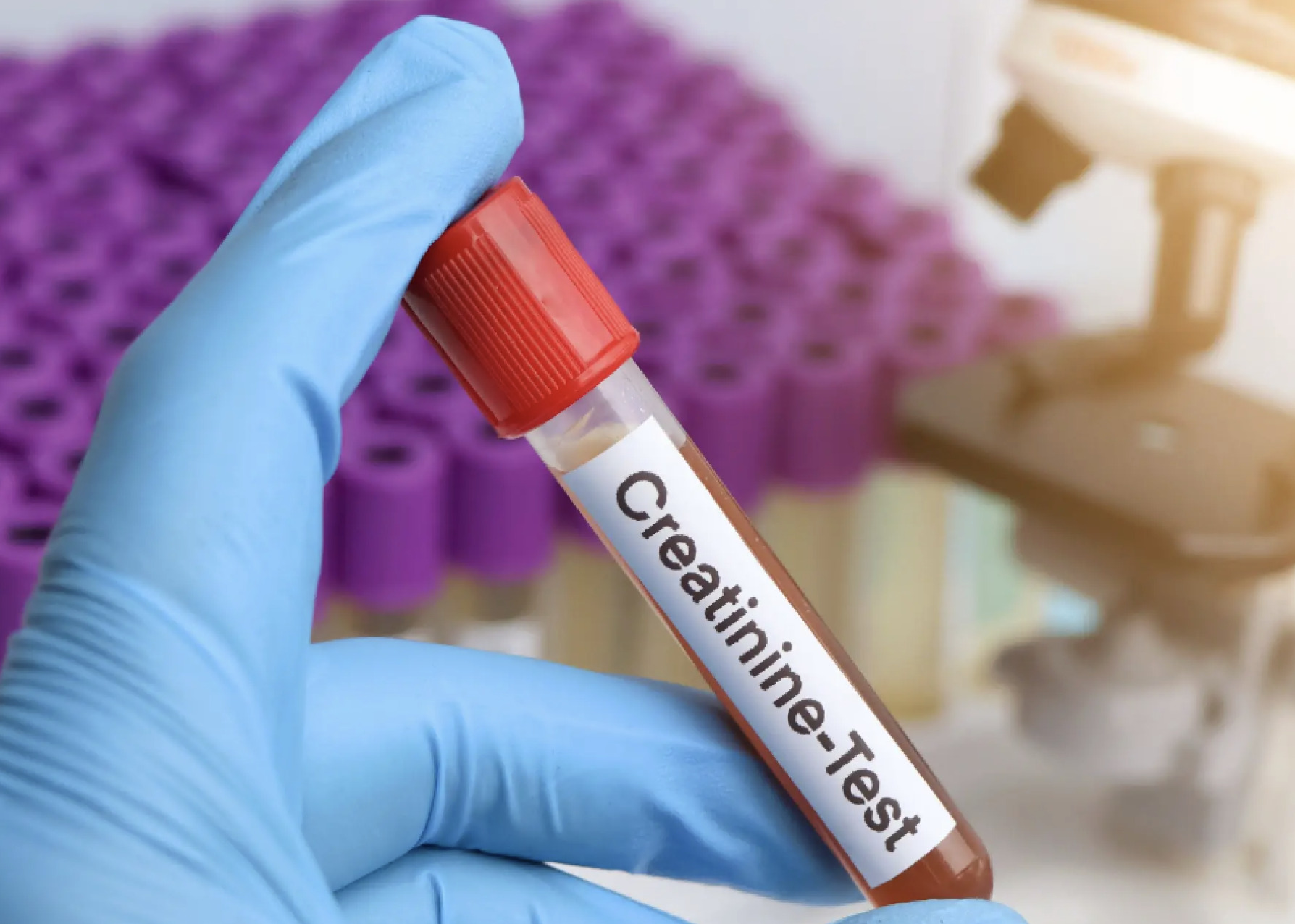
Annual kidney function assessment through blood and urine tests provides valuable health information. Serum creatinine measurements allow calculation of the estimated glomerular filtration rate (eGFR), which indicates how well your kidneys are filtering waste. Blood urea nitrogen (BUN) levels reflect how efficiently your kidneys are removing waste from your bloodstream.
Urinalysis can detect protein, blood, or signs of infection before symptoms develop. Microalbumin testing can identify early kidney damage through the detection of small protein amounts not visible in standard urinalysis. These tests establish baseline values and track changes over time.
Comprehensive metabolic panels assess electrolyte balance, including sodium, potassium, chloride, and bicarbonate levels—minerals that help regulate fluid balance, nerve signals, and muscle function. Imbalances may indicate kidney dysfunction requiring dietary or medication adjustments. Phosphorus and calcium levels reflect bone metabolism health, which is particularly important for long-term kidney patients.
Imaging and Structural Assessment
Annual kidney ultrasounds evaluate size, structure, and potential complications like cysts or stones. This imaging procedure creates pictures of your kidneys without radiation exposure or contrast agents. Changes in kidney size or structure may indicate developing problems that might require intervention.
Lifestyle Risk Factor Management
Smoking Cessation
Smoking significantly impacts kidney health through multiple mechanisms. Nicotine constricts blood vessels (narrows them), reducing kidney blood flow. Smoking accelerates atherosclerosis (the build-up of fatty deposits in arteries), potentially affecting the renal artery (the blood vessel that supplies your kidneys). Toxic compounds in cigarette smoke directly damage kidney tissue and impair function.
Smoking cessation can improve kidney blood flow within weeks and help reduce long-term cardiovascular risk. Various cessation aids exist:
- Nicotine replacement therapy (such as patches, gum, or lozenges)
- Prescription medications
- Behavioural support programmes
Work with your healthcare provider to develop a plan tailored to your individual needs and circumstances.
Weight Management
Maintaining a healthy body weight helps reduce kidney workload and associated health risks. Excess weight increases blood pressure, promotes insulin resistance (when your body doesn’t respond properly to insulin), and creates inflammatory conditions affecting kidney function. Even modest weight reduction can provide measurable health benefits.
Focus on sustainable dietary changes rather than extreme restrictions. Gradual weight loss prevents muscle loss and nutritional deficiencies. Combine dietary modifications with regular physical activity for effective results. Consider working with a dietitian familiar with kidney health requirements who can help create a nutrition plan suited to your specific situation.
Stress Reduction Techniques
Chronic stress impacts kidney health through elevated blood pressure and inflammatory responses. Develop stress management strategies:
- Regular exercise
- Adequate sleep
- Relaxation techniques
- Mindfulness meditation
- Deep breathing exercises
- Progressive muscle relaxation
Maintain social connections and seek support when needed. Adjusting to a chronic illness can be emotionally challenging, and professional counselling may help you develop coping strategies. Support groups for individuals with kidney conditions can provide peer understanding and practical advice.
Preparation Steps for Medical Procedures
Before any medical procedure, create a comprehensive health summary. Include your single kidney status, current medications, allergies, and recent kidney function tests. Keep this information easily accessible for emergency situations.
For planned procedures, schedule pre-procedure consultations to discuss kidney protection strategies. This may include pre-hydration protocols (receiving fluids before the procedure to help protect kidney function), medication adjustments, or alternative procedure options. All healthcare providers involved need to understand your kidney status.
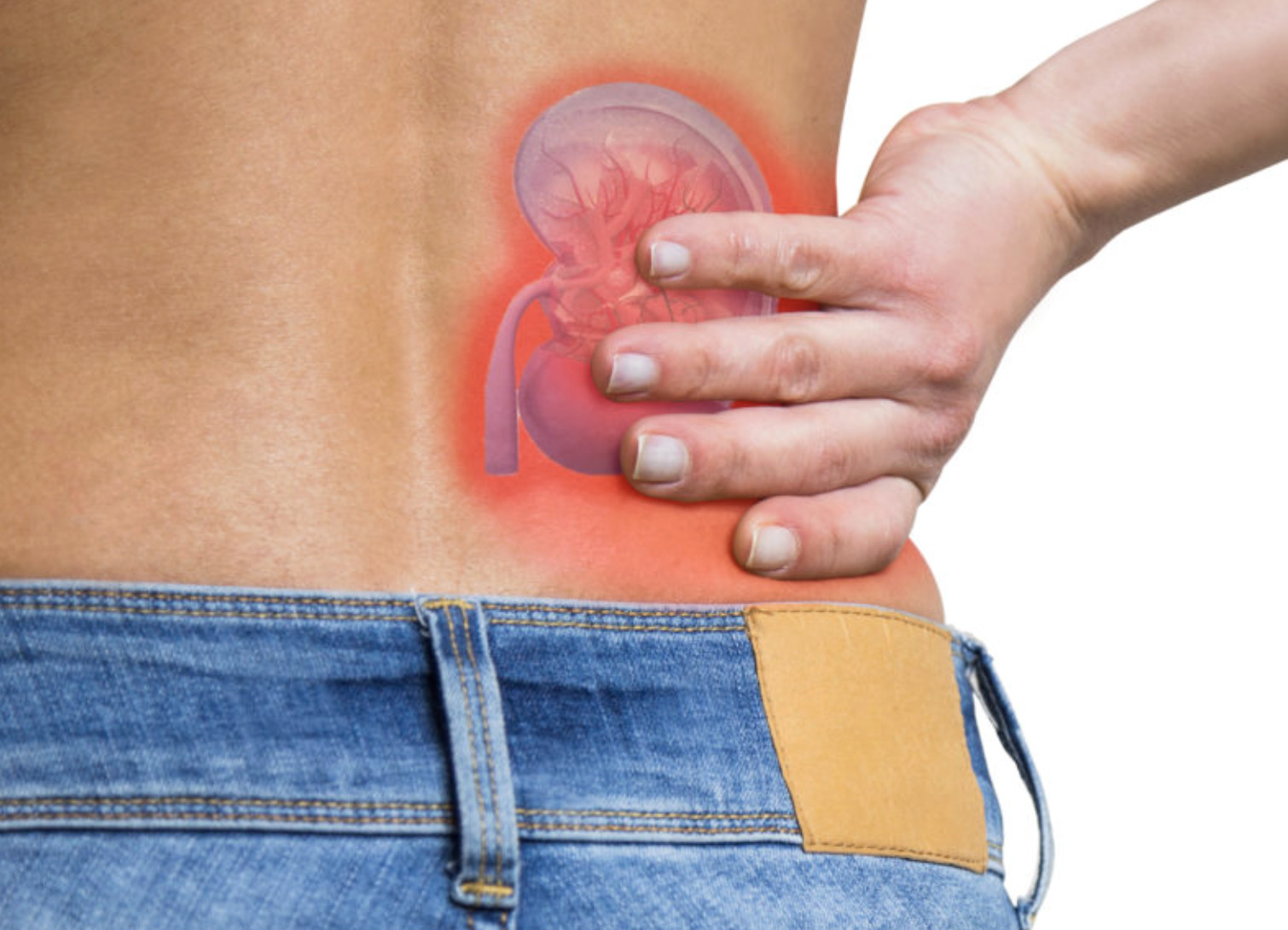
Post-procedure monitoring becomes important. Watch for changes in urine output, colour, or consistency. Report fever, flank pain (discomfort in your side or lower back), or significant changes in overall well-being immediately. Schedule follow-up kidney function tests as may be recommended by a healthcare professional.
Maintain detailed records of all procedures. Include dates, types of anaesthesia or contrast used, and any complications. This information helps guide future medical decisions and identifies patterns that may affect kidney health.
💡 Did You Know?
Your remaining kidney can increase its filtration capacity through a process called glomerular hyperfiltration. Individual filtering units (nephrons, the tiny structures in your kidney that filter blood) work harder to compensate for the missing kidney. This adaptation allows the kidney to increase its function without increasing the total number of nephrons.
When to Seek Professional Help
Seek immediate medical attention for:
- Blood in your urine (visible red or dark brown colour)
- Severe flank pain (pain in your side or lower back), especially with a fever
- A sudden decrease in urine output
- Facial or leg swelling that doesn’t resolve with elevation
- Unexplained fatigue with shortness of breath
- Persistent nausea or vomiting
- Confusion or difficulty concentrating
- Blood pressure that remains elevated despite medication
- Foamy or frothy urine that persists for several days
Commonly Asked Questions
Can I live a normal lifespan with one kidney?
Most people with one healthy kidney can live normal lifespans with proper care. Regular monitoring and protective lifestyle choices help support kidney function throughout life. Many kidney donors, who voluntarily live with one kidney, show no reduction in life expectancy when following appropriate health guidelines.
Should I avoid all sports and physical activities?
Physical activity benefits overall health and supports kidney function. Avoid high-contact sports with direct kidney injury risk, such as rugby, boxing, or martial arts, but most activities remain safe and beneficial. Swimming, cycling, yoga, and strength training with proper form provide exercise options. Wear protective padding if participating in moderate-risk activities.
How often should I have my kidney function checked?
Annual kidney function tests typically suffice for stable patients without complications. Your doctor may recommend more frequent monitoring if you have diabetes, high blood pressure, or previous kidney issues. Blood and urine tests assess function, while imaging, such as ultrasound or CT scans, evaluates structure. Establish a regular monitoring schedule with your healthcare provider.
Can I take supplements with one kidney?
Many supplements remain safe, but some require caution. Avoid high-dose vitamin C, which can increase kidney stone risk. Limit vitamin A intake, as excess amounts accumulate with reduced kidney function. Herbal supplements may interact with medications or affect kidney function. Discuss supplements with your healthcare provider before starting new products. Your doctor can help determine which supplements are appropriate based on your individual health needs.
Will I need dialysis eventually?
Most people with one healthy kidney never require dialysis, a medical treatment that filters waste from the blood when the kidneys cannot. Protecting your kidneys through lifestyle choices, medication management, and regular monitoring helps support their function long-term. Risk factors like uncontrolled diabetes or high blood pressure increase dialysis risk, making preventive care necessary.
Next Steps
Protect your kidney function through daily hydration management and dietary modifications that limit sodium and moderate protein intake. Avoid NSAIDs like ibuprofen that can reduce kidney blood flow. Schedule annual monitoring, including kidney function tests and imaging, to detect changes early.
If you’re experiencing blood in urine, persistent flank pain, or concerns about managing life with one kidney, consult a qualified healthcare provider to discuss evaluation and personalised protection strategies for your kidney health.