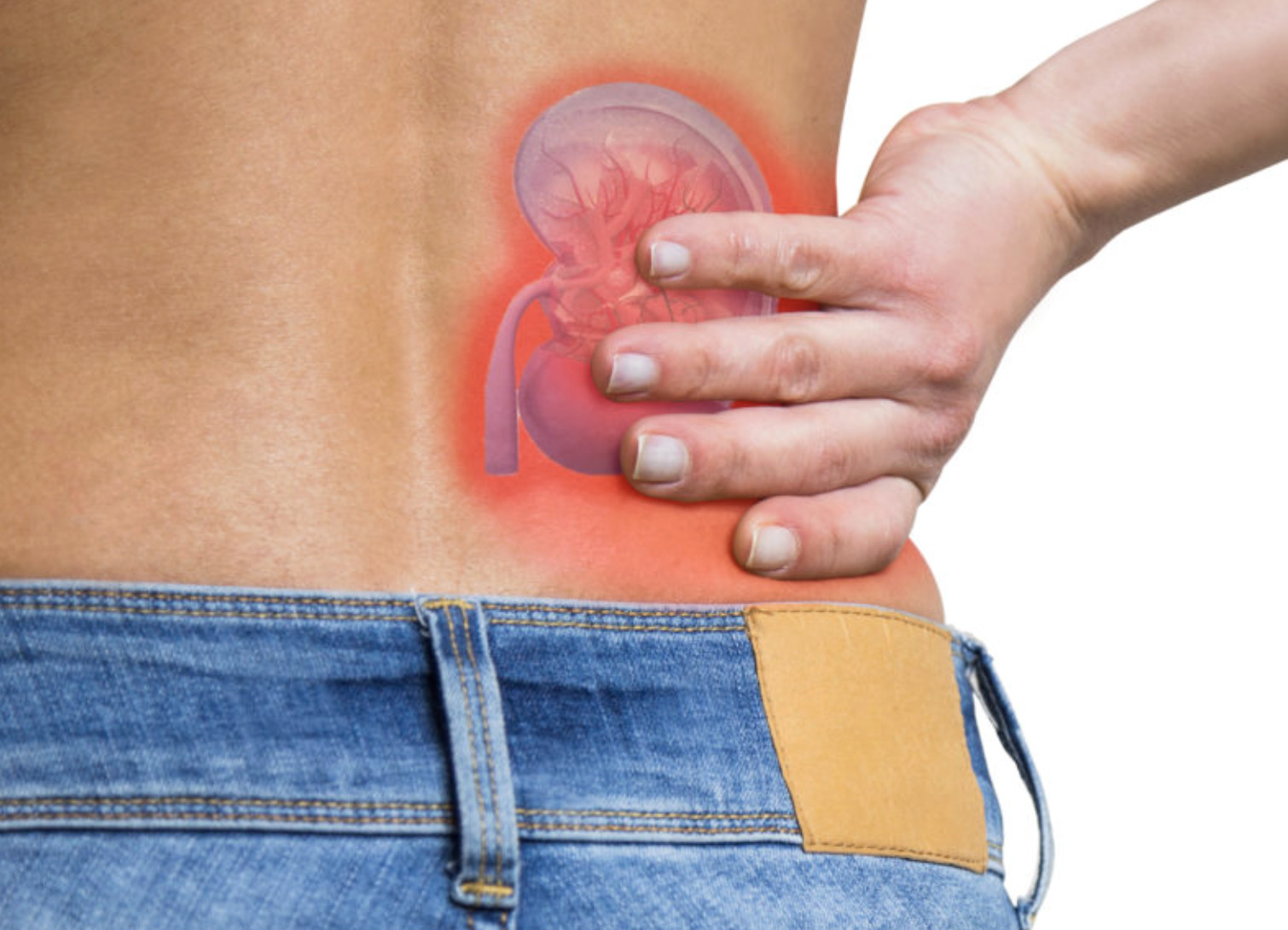
Did you know the kidney can maintain normal filtration function even after removing substantial tumour volumes? Robotic partial nephrectomy removes kidney tumours while preserving the healthy portion of the kidney. This nephron-sparing approach, which preserves functional kidney tissue, helps maintain long-term kidney function. It can help reduce the risk of chronic kidney disease that can follow complete kidney removal. The procedure uses a robotic surgical system that provides magnified three-dimensional visualisation and instrument control. This allows surgeons to remove tumours with minimal damage to surrounding tissue.
The kidney filters a substantial volume of blood daily. It removes waste products and regulates fluid balance. Preserving functional kidney tissue becomes increasingly relevant as patients age, particularly those with diabetes, hypertension, or existing kidney impairment. Partial nephrectomy can achieve cancer control comparable to radical nephrectomy (complete kidney removal) for appropriately selected tumours while protecting this filtration capacity.
Candidates for Partial Nephrectomy
Tumour size and location primarily determine the surgical approach. Masses measuring 7 centimetres or smaller (classified as T1) are generally amenable to partial removal. Smaller tumours under 4 centimetres are straightforward to treat surgically. Surgeons with experience routinely perform partial nephrectomy for larger or more complex masses.
Tumour location affects surgical complexity significantly. Masses growing outward from the kidney surface (exophytic tumours) provide easier access than those embedded within kidney tissue (endophytic tumours) or located near the renal hilum (the area where blood vessels and the ureter connect to the kidney). The R.E.N.A.L. nephrometry score quantifies these anatomical factors. It helps surgeons predict technical difficulty and plan approaches accordingly.
Patient Factors
Kidney function before surgery influences decision-making. Patients with a solitary kidney, bilateral tumours (tumours in both kidneys), or pre-existing chronic kidney disease benefit from nephron-sparing surgery. However, partial nephrectomy provides advantages even for patients with two normally functioning kidneys. Preserving nephron mass protects against future kidney disease from other causes.
Medical conditions affecting surgical risk require evaluation. Cardiovascular disease, pulmonary function, and bleeding disorders factor into anaesthesia planning. Previous abdominal surgeries may create adhesions (internal scar tissue) that complicate robotic access. Surgeons with experience navigate these challenges routinely.
The Robotic Surgical System
The da Vinci surgical system translates the surgeon’s hand movements into motions of miniaturised instruments inside the body. The surgeon operates from a console positioned near the operating table. They view a magnified three-dimensional image of the surgical field. Four robotic arms controlled through the console hold a camera and surgical instruments that bend and rotate with a greater range than the human wrist.
Technical Advantages
Magnification allows identification of tumour margins and small blood vessels invisible to the naked eye. Tremor filtration eliminates natural hand movements that could affect precision during delicate dissection. The instruments’ articulating tips can reach angles not possible with straight laparoscopic tools. This facilitates work around curved kidney surfaces and within confined spaces.
These capabilities prove particularly valuable during the reconstruction phase after tumour removal. The surgeon must close the defect in the kidney while controlling bleeding. This task requires suture placement in tissue that continues to bleed until adequately compressed. Robotic suturing speed and accuracy reduce the time the kidney spends without blood flow.
Procedural Steps
Surgery begins with establishing pneumoperitoneum. The surgeon inflates the abdominal cavity with carbon dioxide gas to create working space. The surgeon places several small ports (entry points) through the abdominal wall. These typically range from 8 to 12 millimetres in diameter. Port positioning depends on tumour location. Left-sided tumours may be approached transperitoneally directly through the abdominal cavity. Right-sided tumours must account for the liver position.
Kidney Mobilisation
- The surgeon reflects the colon away from the kidney
- Gerota’s fascia—the fibrous envelope surrounding the kidney—is opened
- The surgeon identifies the renal artery and vein, placing vessel loops for control
Complete hilar dissection (careful separation of blood vessels in the connection area) allows rapid clamping when needed. This minimises warm ischaemia time (the period when the kidney is without normal blood flow).
Intraoperative ultrasound (imaging performed during surgery) confirms tumour location and depth. This is particularly valuable for endophytic masses that are not visible on the kidney surface. The ultrasound defines surgical margins and identifies satellite lesions (additional small tumours) that preoperative imaging may have missed.
Tumour Excision
The surgeon scores the kidney capsule around the tumour, maintaining a margin of normal tissue. For most partial nephrectomies, the surgeon clamps the renal artery to create a bloodless field during excision. The surgeon then sharply dissects the tumour from the surrounding parenchyma (functional kidney tissue). The surgeon continuously assesses the resection bed for adequate margins.
Warm ischaemia time—the duration without arterial blood flow—directly affects kidney recovery. The surgeon will aim to complete tumour removal and begin reconstruction within a timeframe that minimises kidney damage. Kidneys tolerate extended periods without permanent injury. Techniques including early unclamping and selective arterial clamping further minimise ischaemic injury.
Reconstruction
After tumour removal, the surgeon achieves haemostasis (bleeding control) through a combination of suturing and haemostatic agents (materials that promote blood clotting). The surgeon sutures deep parenchymal vessels individually. The collecting system (the internal drainage channels of the kidney), if entered during tumour removal, is closed with absorbable suture to prevent urine leakage. Renorrhaphy sutures (stitches that close the kidney tissue) compress the kidney tissue, aided by bolsters (small supporting pads) that distribute pressure and prevent the sutures from cutting through.
The surgeon places the specimen in a retrieval bag and extracts it through a slightly enlarged port site. A surgical drain may be left near the kidney to monitor for bleeding or urine leak in the initial postoperative period.
Recovery Timeline
Patients typically spend one to two nights in the hospital following robotic partial nephrectomy. A healthcare professional removes a urinary catheter (a thin tube that drains urine from the bladder) placed during surgery, usually the morning after the procedure. Early mobilisation—walking within hours of surgery—helps reduce complications, including blood clots and pneumonia.
First Two Weeks
Pain management transitions from intravenous to oral medications within the first day. Most patients require prescription pain medication for several days. They then manage discomfort with over-the-counter options. Incision sites need only basic wound care. Sutures dissolve or are removed by a healthcare professional at the first postoperative visit.
Activity restrictions include:
- Avoiding lifting more than a few kilograms
- Refraining from driving while taking narcotic pain medication
- Light walking (encouraged and gradually increased)
- Showering (typically permitted within a couple of days)
- Bathing and swimming (wait until incisions fully heal)
Return to Normal Activities
Office workers often return to work within two weeks. Physically demanding occupations require several weeks to resume complete duties. Exercise restrictions lift progressively. Most patients resume their full fitness routines by six to eight weeks.
Follow-up imaging, typically CT or MRI, occurs at three to six months postoperatively. This assesses healing and confirms the absence of residual tumour. Your healthcare provider will establish a surveillance schedule tailored to your specific tumour characteristics and pathology findings.
💡 Did You Know?
The kidney can maintain normal filtration function with a reduced amount of its original tissue mass, which is why nephron-sparing surgery proves effective even when removing substantial tumour volumes.
Comparing Surgical Approaches
Open partial nephrectomy, performed through a flank incision (a surgical cut in the side of the body), remains appropriate for highly complex tumours or when robotic equipment is unavailable. The open approach provides direct tactile feedback but requires larger incisions, resulting in a longer recovery and increased postoperative discomfort.
Pure laparoscopic partial nephrectomy uses similar port placements but without robotic assistance. The technical demands of intracorporeal suturing (stitching inside the body using long instruments) limit this approach to surgeons with laparoscopic experience. Warm ischaemia times tend to be longer than with robotic assistance.
Radical Versus Partial Nephrectomy
Complete kidney removal eliminates the reconstruction challenges and ischaemia concerns of partial nephrectomy. For tumours unsuitable for nephron-sparing approaches—those involving the renal vein, extensively infiltrating the collecting system, or in patients where partial nephrectomy carries prohibitive risk—radical nephrectomy can achieve equivalent cancer control.
However, patients retain better long-term kidney function after partial nephrectomy. This preserved function can translate into reduced cardiovascular risk and improved overall survival.
Potential Complications
Bleeding represents the most immediate surgical risk. Delayed bleeding from pseudoaneurysm formation (a false blood vessel bulge that can develop after surgery) can develop days to weeks postoperatively. Patients experiencing sudden flank pain or visible blood in urine after discharge require urgent evaluation.
Urine leak from an incomplete closure of the collecting system typically resolves with prolonged catheter drainage. Persistent leaks may require ureteral stent placement (a small tube inserted to keep the ureter open) to facilitate healing by diverting urine flow.
⚠️ Important Note
Contact your surgical team immediately if you experience:
- Sudden severe flank pain
- Fever above 38.5°C
- Heavy bleeding in urine
- Dizziness suggesting significant blood loss
Long-term Considerations
Kidney function temporarily decreases after surgery due to tissue removal and ischaemic injury. The remaining kidney tissue typically compensates within several months. Creatinine levels (a waste product that indicates kidney function) stabilise near preoperative values. Patients with solitary kidneys or baseline kidney impairment warrant closer monitoring during this adaptation period.
Positive surgical margins—tumour cells at the cut edge of the specimen—occur infrequently but require careful surveillance. Many positive margins do not always lead to cancer recurrence. Some patients may need additional treatment.
Commonly Asked Questions
How long does robotic partial nephrectomy surgery take?
Operating time varies with tumour complexity, typically ranging from two to four hours. Larger, deeper, or hilar tumours require longer procedures. Previous abdominal surgery may add time due to adhesion management.
Will I need dialysis after a partial nephrectomy?
Dialysis (a procedure that filters waste from blood when the kidneys cannot) is rarely needed after partial nephrectomy in patients with two functioning kidneys. Patients with a solitary kidney or significantly impaired baseline function face a higher risk of temporary or permanent dialysis requirement. This factors into surgical planning.
What determines whether my tumour is suitable for partial versus complete removal?
Tumour size, location, and relationship to blood vessels and the collecting system determine the surgical approach. A urologist evaluates imaging studies and may use scoring systems to assess complexity. A healthcare professional can provide advice on the recommended approach based on specific risk factors, including kidney function and overall health.
How is the removed tumour analysed?
A pathologist (a medical doctor who specialises in examining tissue samples to diagnose disease) determines tumour type, grade, and completeness of removal. Results typically return within one to two weeks. The pathology report guides surveillance intensity and indicates whether additional treatment may be necessary.
Can kidney cancer recur after partial nephrectomy?
Local recurrence in the operated kidney occurs infrequently when adequate margins are achieved. New tumours can develop in either kidney over time, which is why surveillance imaging continues for several years. Metastatic disease (cancer that has spread to other parts of the body), while uncommon for small tumours, remains possible. Surveillance protocols include monitoring for distant spread.
Next Steps
Robotic partial nephrectomy preserves kidney function while achieving tumour control for appropriately selected masses. Preoperative imaging and surgical experience influence outcomes. Patients with small renal masses should discuss surgical options with a urologist to determine the optimal approach.
If you’ve been diagnosed with a kidney mass or are experiencing blood in your urine or flank pain, consult a urologist to evaluate whether robotic partial nephrectomy may be appropriate for you.