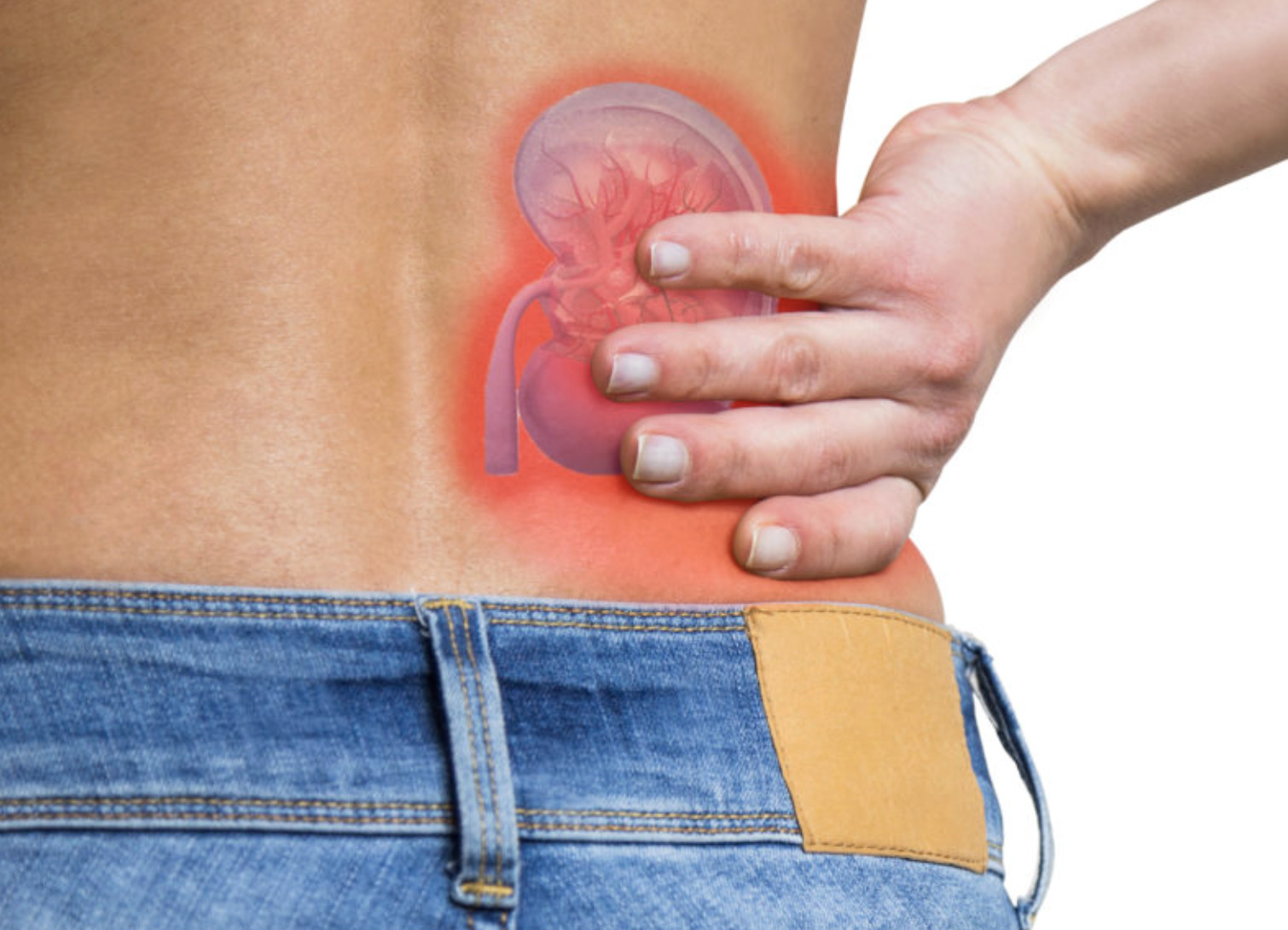
Did you know that bacteria hiding inside kidney stones can make UTIs nearly impossible to cure with antibiotics alone? Both conditions involve the urinary system’s delicate balance of minerals, bacteria, and pH levels, which measure how acidic or alkaline your urine is. When certain bacteria colonise the urinary tract repeatedly, they create an environment that promotes stone formation through specific biochemical processes. This relationship works both ways. Kidney stones can harbour bacteria in their microscopic crevices, which can lead to persistent infections that antibiotics may find difficult to eliminate.
Understanding Struvite Stones
Struvite stones, also known as infection stones, form directly because of urease-producing bacteria in the urinary tract. These bacteria, particularly Proteus mirabilis, Klebsiella, and Pseudomonas species, produce an enzyme called urease. This enzyme breaks down urea (a waste product) into ammonia. This process raises urine pH to alkaline levels. It creates an environment where magnesium ammonium phosphate crystals precipitate rapidly.
These stones grow more rapidly than other types. They sometimes fill entire kidney collecting systems within weeks to months. Their branched appearance resembles deer antlers. This gives them the name “staghorn calculi” when they occupy large portions of the kidney. The rough, irregular surface of struvite stones provides numerous hiding spots for bacteria. These spots create biofilms (protective layers) that resist antibiotic penetration.
Women face an increased risk of struvite stones due to their increased susceptibility to UTIs (urinary tract infections). The shorter female urethra allows bacteria easier access to the bladder. From there, infections can ascend to the kidneys. Patients with neurogenic bladder (reduced bladder control due to nerve damage), indwelling catheters, or urinary diversions also develop these stones more frequently. This occurs due to chronic bacterial colonisation.
How Other Stone Types Facilitate Infections
While struvite stones form because of infection, other stone types create conditions favourable for bacterial growth. Calcium oxalate and uric acid stones, though not caused by bacteria, provide surfaces where microorganisms can adhere and multiply. The physical presence of any stone disrupts normal urine flow, creating stagnant areas where bacteria thrive.
Stone surfaces develop microscopic irregularities and pits during formation and growth. These imperfections trap bacteria and protect them from the natural flushing action of urine flow. Even smooth-appearing stones harbour bacterial colonies in surface defects invisible to the naked eye. When antibiotics enter the urinary system, these protected bacteria can survive treatment and re-emerge once medication stops.
Stones also cause local tissue irritation and inflammation in the urinary tract. This inflammatory response can weaken the natural barriers that prevent bacterial adhesion to the bladder and kidney lining. Damaged urothelium loses its protective glycosaminoglycan layer, making it easier for bacteria to attach and invade deeper tissue layers.
The obstruction caused by stones compounds the infection risk. When stones partially or completely block the ureter, urine backs up behind the obstruction. This stagnant urine becomes a favourable medium for bacterial growth, especially when combined with the metabolic waste products that accumulate during obstruction.
Recognising the Dual Condition Pattern
Patients with both chronic UTIs and stones often experience overlapping symptoms that make diagnosis challenging. Typical UTI symptoms include:
- Burning urination
- Frequency
- Urgency
These may persist despite antibiotic treatment when stones are present. Stone-related pain can mask or mimic infection symptoms, delaying appropriate treatment.
Recurrent UTIs that respond poorly to standard antibiotic courses may indicate underlying stones. When infections return within weeks of completing treatment, stones should be suspected. The same applies when the same bacterial species repeatedly causes infection despite appropriate antibiotic selection. Urine cultures (lab tests that identify bacteria in your urine sample) showing multiple bacterial species or unusual organisms like Proteus or Klebsiella particularly suggest stone involvement.
Blood in urine occurs with both conditions but presents differently. Stone-related haematuria (blood in urine) often appears after physical activity or movement. Infection-related bleeding tends to be more constant. The combination produces persistent microscopic haematuria punctuated by episodes of visible blood.
Kidney function changes can provide another diagnostic clue. Chronic pyelonephritis (kidney infection) from recurrent ascending infections causes gradual kidney damage. This damage is measurable through declining eGFR (a measure of how well your kidneys are filtering waste) or rising creatinine levels (an indicator that waste products are building up in your blood). Stones contribute to this damage through obstruction and pressure-related injury to kidney tissue.
Breaking the Cycle: Integrated Treatment Approaches
Managing concurrent stones and infections requires addressing both conditions simultaneously. Removing stones without controlling infection leads to rapid recurrence. Treating infection without removing stones provides only temporary relief. Healthcare professionals who specialise in urinary tract conditions employ various strategies depending on stone size, location, and composition.
Percutaneous nephrolithotomy (PCNL) removes large infected stones, particularly staghorn calculi. During this minimally invasive procedure, the surgeon makes a small incision in your back. They use specialized instruments to remove the stone completely while also flushing out infected areas of the kidney. Surgeons often place nephrostomy tubes (small drainage tubes) after the procedure to help with proper drainage while any remaining infection clears.
Ureteroscopy with laser lithotripsy is an approach for smaller stones throughout the urinary tract. The laser breaks stones into tiny particles, small enough to pass naturally through urination, eliminating bacterial hiding places. Ureteral stents (small tubes that help urine flow) are placed after the procedure to maintain drainage and help prevent blockage from stone fragments.
Extracorporeal shock wave lithotripsy (ESWL), a procedure that uses sound waves to break up stones outside the body, is less effective for infection stones due to their soft composition and large size. However, it may supplement other treatments for residual fragments or concurrent non-infection stones.
Medical dissolution therapy using acidifying agents (medications that make urine more acidic) can gradually dissolve struvite stones in select patients. Acetohydroxamic acid inhibits bacterial urease, the enzyme bacteria use to create the chemical environment that forms these stones. This helps prevent further stone growth while antibiotics address the underlying infection. This approach requires extended treatment periods and careful monitoring for side effects. Your doctor can determine if this treatment is appropriate based on your specific situation and overall health.
Prevention Strategies That Address Both Conditions
Preventing recurrence requires comprehensive strategies that simultaneously target stone formation and infection risk.
- Consume enough water to produce adequate urine daily
- Aim for clear, pale yellow urine to indicate adequate hydration
- This helps dilute both stone-forming minerals and bacteria
Dietary modifications depend on stone composition identified through laboratory analysis. For calcium oxalate stones concurrent with infections, moderate calcium intake with meals binds dietary oxalate in the intestines. This can reduce urinary oxalate excretion. Limit sodium intake to less than a teaspoon daily to help reduce calcium excretion in urine.
For uric acid stones, alkalinise urine to a moderately alkaline pH, a measure of acidity or alkalinity, through increased fruit and vegetable consumption. This can help prevent crystallisation. This pH range, while favourable for uric acid stone prevention, remains below the threshold for struvite formation.
Cranberry products may help prevent bacterial adhesion to bladder walls, though evidence remains mixed. Proanthocyanidins (natural compounds found in cranberries) in cranberries interfere with bacterial fimbriae, the hair-like structures bacteria use to attach to urinary tract surfaces. Choose unsweetened cranberry extract supplements rather than cranberry juice to avoid excess sugar.
Probiotic supplementation with Lactobacillus species (beneficial bacteria) may help reduce UTI recurrence by supporting healthy vaginal flora in women. These beneficial bacteria produce hydrogen peroxide and maintain acidic vaginal pH. This creates an environment that may help inhibit pathogenic bacteria (harmful bacteria that cause infection).
Monitoring Microbiome Health in the Urinary Tract
Recent research reveals that the urinary tract contains its own microbiome. This is a community of bacteria, fungi, and viruses that influence health and disease. Disruption of this microbiome (the balance of helpful and harmful microorganisms) through repeated antibiotic use may contribute to both chronic UTIs and stone formation.
Certain bacterial species in the urinary microbiome produce substances that can inhibit the growth of harmful bacteria (pathogens). They also help prevent crystal aggregation (the clumping together of minerals that can form stones). Lactobacillus and Streptococcus species (types of beneficial bacteria) generate organic acids that help maintain an appropriate urine pH. They also compete with pathogenic bacteria for nutrients and adhesion sites.
Extended antibiotic courses for UTIs can eliminate protective bacteria along with pathogens. This creates opportunities for resistant organisms to colonise. This dysbiosis (imbalance in the microbiome) may explain why some patients experience increasingly frequent infections despite antibiotic treatment.
Supporting microbiome recovery between infections involves strategic antibiotic selection and timing. Narrow-spectrum antibiotics (medications that target specific types of bacteria) targeting specific pathogens preserve more beneficial bacteria than broad-spectrum alternatives (antibiotics that kill a wide range of bacteria). Spacing antibiotic courses when possible allows partial recovery of the microbiome.
💡 Did You Know?
The surface of a kidney stone can harbour distinct bacterial communities in different regions. Some areas contain antibiotic-resistant species, whilst others remain susceptible to treatment.
Long-term Management Considerations
Patients with a history of both stones and infections require ongoing monitoring to prevent recurrence. Regular monitoring includes:
- Urine cultures (laboratory tests that check for bacteria in urine) are periodically initially performed.y
- This extends to twice yearly, once stability is achieved
- Imaging studies (such as ultrasounds or CT scans) can detect new stone formation before symptoms develop
Metabolic evaluation (tests that assess how your body processes minerals and other substances) identifies underlying abnormalities that contribute to stone formation. Extended urine collections measure excretion of calcium, oxalate, citrate, and other stone-related substances. Blood tests assess parathyroid function (a gland that regulates calcium levels), vitamin D levels, and kidney function.
Some patients may benefit from long-term antibiotic prophylaxis (preventive antibiotic treatment to reduce infection risk). This particularly applies to those with anatomical abnormalities or neurogenic bladder (a condition where nerve damage affects bladder control). The appropriate antibiotic selection, dosage, and duration should be determined by a healthcare professional. Rotating antibiotics periodically may help prevent resistance.
Stone prevention medications like potassium citrate or thiazide diuretics may be necessary for patients with specific metabolic abnormalities. Potassium citrate alkalinises urine (makes it less acidic) and provides citrate, a substance that inhibits stone formation. Thiazides reduce urinary calcium excretion in patients with hypercalciuria, a condition in which too much calcium is excreted in the urine.
Managing Risk Factors
Several modifiable risk factors influence both stone formation and susceptibility to infection. Addressing these factors can help reduce disease burden and support quality of life.
Weight management through diet and exercise can improve multiple urinary tract parameters. Excess weight increases urinary excretion of stone-forming substances and alters urine pH (a measure of acidity or alkalinity). Excess weight also makes complete bladder emptying more difficult, increasing the risk of infection.
Blood sugar control in diabetics can reduce infection susceptibility and the risk of stones. High glucose levels in urine promote bacterial growth and alter urinary chemistry, favouring crystal formation. Maintaining HbA1c (a blood test that measures your average blood sugar over the past 2 to 3 months) at recommended levels may help reduce urologic complications. Your healthcare provider will establish HbA1c goals based on your individual health status and risk factors.
Regular physical activity promotes stone passage and prevents urinary stasis (urine remaining in the bladder rather than being completely voided). Movement helps small stones pass before they grow large enough to cause an obstruction. Exercise also supports bladder function and can reduce post-void residual volume (the amount of urine left in the bladder after urinating).
Proper toileting habits can help prevent infection whilst reducing the risk of stones. Complete bladder emptying eliminates the medium for bacterial growth and prevents urinary stasis. Women should wipe front to back and urinate after intercourse to reduce bacterial introduction.
When to Seek Professional Help
Contact a urologist if you experience:
- Fever above 38°C with urinary symptoms (such as burning during urination, frequent need to urinate, or cloudy urine)
- Severe flank or abdominal pain (sharp pain in your side, back, or stomach area)
- Blood clots in urine
- Complete inability to urinate
- Nausea and vomiting with urinary symptoms
- Confusion or altered mental status with UTI symptoms
- Recurrent UTIs (urinary tract infections) within a short time of completing antibiotics
- Stone passage followed by worsening symptoms
Commonly Asked Questions
Why do my UTIs keep coming back even after taking antibiotics?
Recurring infections often indicate stones harbouring bacteria in microscopic crevices where antibiotics cannot penetrate effectively. These protected bacteria re-emerge after treatment stops. Stone removal (a procedure where your doctor removes the stone from your urinary tract) may be necessary to eliminate the bacterial reservoir.
Can drinking lemon water prevent both kidney stones and UTIs?
Lemon water provides citrate (a substance that helps prevent crystals from forming in urine), which inhibits calcium stone formation. It may also slightly acidify urine, creating a less favourable environment for some bacteria. Whilst helpful, lemon water alone cannot prevent all stone types or infections. Prevention strategies include multiple approaches.
How long after stone removal before UTIs stop recurring?
Patients often experience a reduction in UTI frequency within weeks of stone removal. However, some require additional antibiotics for several weeks after the procedure to eliminate residual infection. Damaged kidney tissue may remain susceptible to infection for months. Your healthcare provider will monitor your recovery and adjust treatment based on your individual response and any ongoing symptoms (such as burning during urination, fever, or flank pain).
Are certain people genetically prone to both conditions?
Genetic factors influence stone formation through metabolic pathways, or the body’s chemical processes, affecting mineral excretion and urine chemistry. Some genetic variations also affect immune response and bacterial adhesion, which is the ability of bacteria to stick to urinary tract walls. A family history of either condition increases personal risk.
Can probiotics really prevent UTIs and kidney stones?
Specific probiotic strains (beneficial bacteria such as Lactobacillus) show promise for UTI prevention by supporting healthy vaginal and urinary microbiomes (the natural communities of bacteria in these areas). Whilst probiotics don’t directly prevent stones, they may reduce infection-related stone formation. They do this by helping prevent chronic UTIs, which can lead to struvite stones (stones formed when bacteria alter urine chemistry).
Next Steps
Stone removal is often necessary to break the infection cycle. Complete clearance of all stone material eliminates bacterial reservoirs and reduces the risk of future UTIs. Metabolic evaluation can identify underlying factors contributing to stone formation.
If you’re experiencing recurrent UTIs with persistent flank pain or blood in your urine, consult a qualified urologist to evaluate for underlying kidney stones and develop a comprehensive treatment plan addressing both conditions.