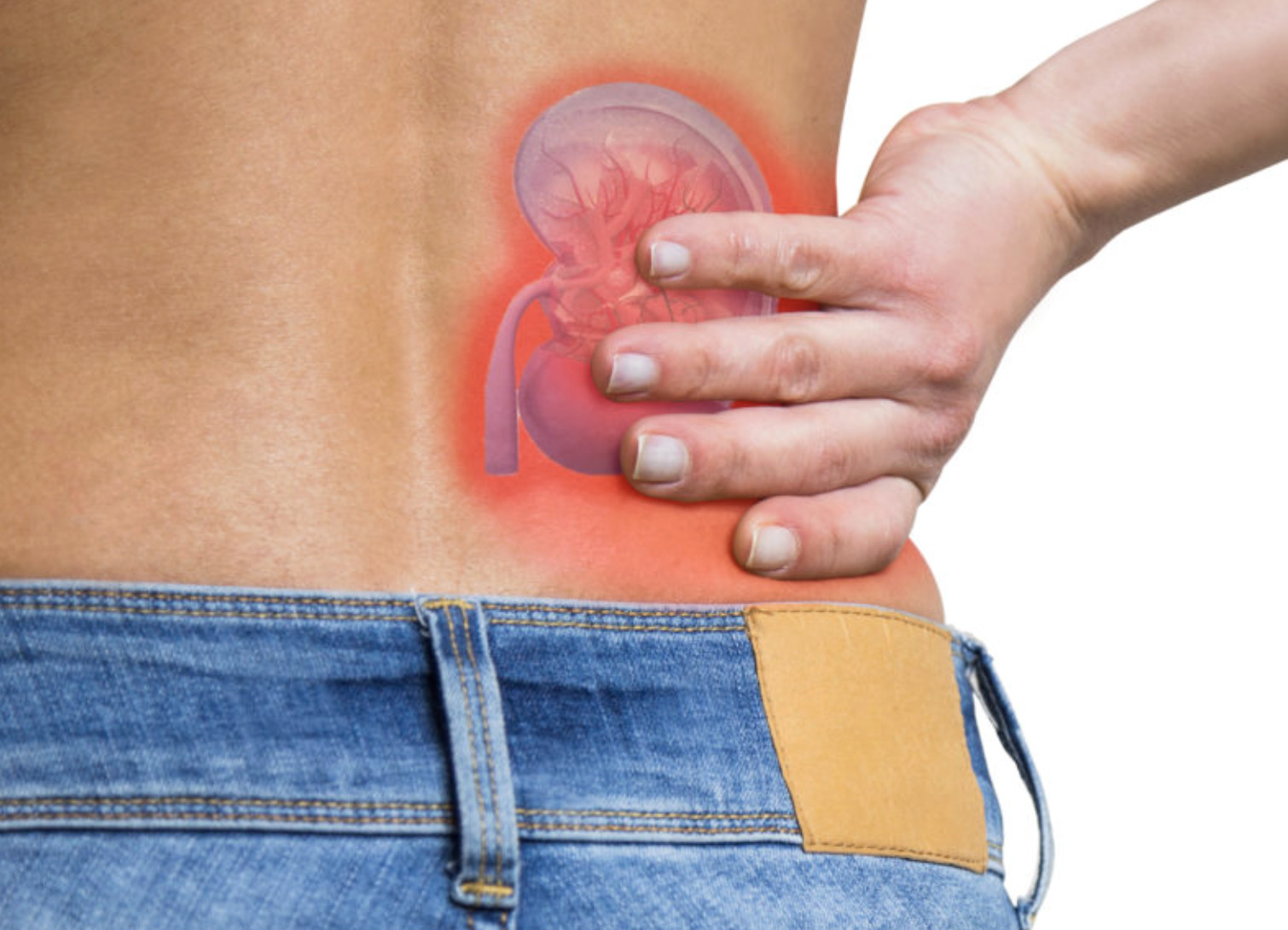
Can damaged kidneys silently drive your blood pressure higher, even as high blood pressure destroys kidney tissue? Your kidneys filter a large amount of blood daily through a network of over one million tiny blood vessels called glomeruli (microscopic filtering units). These microscopic filtering units operate under precise pressure conditions. When blood pressure rises, the delicate vessel walls sustain damage that accumulates over months and years. The kidneys and cardiovascular system share a bidirectional relationship. Elevated blood pressure damages kidney tissue. Kidney dysfunction raises blood pressure further. This can create a cycle that accelerates organ damage when left unaddressed.
This relationship remains “silent” because kidney damage produces no pain and few noticeable symptoms until function declines substantially. Elevated blood pressure similarly causes no discomfort in most people. By the time symptoms appear, changes in urination, swelling, or fatigue, kidney function may have decreased substantially from baseline.
How Elevated Blood Pressure Damages Kidney Structures
The glomeruli function as biological sieves. They retain blood cells and proteins while allowing waste products and excess fluid to pass into urine. Sustained high pressure forces blood through these capillaries (tiny blood vessels) with excessive force. This can cause several types of structural damage.
The inner lining of glomerular vessels thickens in response to pressure stress. This narrows the filtration channels. This thickening, called arteriosclerosis (hardening and narrowing of the arteries), reduces the surface area available for filtration. Simultaneously, the basement membrane, a protein scaffold supporting the filtering cells, develops gaps and irregularities. This allows proteins that should remain in the blood to leak into the urine.
Over time, entire glomeruli scar and cease functioning. Remaining units compensate by filtering larger volumes. This subjects them to additional stress and accelerates their deterioration. This progressive loss explains why kidney disease often advances in stages rather than stabilising at a fixed level of dysfunction.
The medulla, the kidney’s inner region responsible for concentrating urine, also suffers pressure-related damage. Blood vessels supplying this area constrict (narrow) in response to sustained hypertension. This creates oxygen-poor zones where tissue gradually dies and scars.
The Kidney’s Role in Blood Pressure Regulation
Kidneys control blood pressure through three interconnected mechanisms. This explains why kidney damage can cause hypertension to worsen.
Sodium and Fluid Balance
Healthy kidneys precisely regulate sodium excretion to maintain a stable blood volume. When filtering capacity declines, sodium (a mineral found in salt) accumulates in the bloodstream. This draws water with it, expanding blood volume. This increased volume elevates pressure throughout the circulatory system.
Damaged kidneys also retain excess fluid even when sodium intake is modest. This contributes to the swelling that develops around the ankles, hands, and face in kidney disease.
The Renin-Angiotensin System
Kidneys produce renin, an enzyme that helps control blood pressure. This initiates a hormonal cascade that raises blood pressure when the body perceives inadequate kidney blood flow. Damaged kidneys often misinterpret their reduced blood supply as a whole-body problem. They release excess renin, driving blood pressure upward inappropriately.
This overactive hormonal response persists even when blood pressure is already elevated. This can make hypertension progressively more challenging to control as kidney function declines.
Erythropoietin Production
While not directly affecting blood pressure, declining erythropoietin (a hormone that stimulates red blood cell production) production leads to anaemia (low red blood cell count). This forces the heart to work harder to deliver oxygen. This increased cardiac workload can exacerbate hypertension and accelerate cardiovascular complications.
Urinary Changes That Signal Kidney Involvement
Changes in urination often provide the earliest detectable signs of kidney damage. They develop gradually enough that many people don’t notice them.
Foam or bubbles in urine that persist after flushing may suggest protein leakage through damaged glomeruli. Occasional foam from forceful urination is regular. Consistent foaming warrants investigation.
Colour changes, including dark, tea-coloured, or pink-tinged urine, may indicate blood cell leakage or the accumulation of concentrated waste products due to impaired filtration.
Frequency alterations can manifest as increased nighttime urination (nocturia, the need to urinate frequently at night) when the kidneys lose their ability to concentrate urine. They can also appear as decreased output when filtering capacity drops substantially.
Difficulty emptying the bladder or changes in stream force, while often related to prostate or bladder conditions, may also reflect kidney-related fluid imbalances affecting urinary tract function.
💡 Did You Know?
The kidneys receive a substantial proportion of cardiac output despite comprising a very small fraction of body weight. This makes them exceptionally sensitive to blood pressure changes throughout the circulatory system.
Risk Factors That Accelerate Kidney Damage
Certain conditions magnify the impact of high blood pressure on kidney tissue.
- Diabetes damages blood vessels through separate mechanisms involving changes in glucose-related proteins. When combined with hypertension, kidney deterioration can accelerate markedly. The combination can produce additive harm exceeding that of either condition alone.
- Smoking constricts blood vessels and promotes arterial stiffness. This reduces kidney blood flow while raising systemic pressure. These effects persist for hours after each cigarette and accumulate with ongoing use.
- Obesity increases blood volume and cardiac workload whilst promoting inflammation that damages blood vessel linings. Excess weight also makes blood pressure more difficult to control with standard interventions.
- Frequent use of non-steroidal anti-inflammatory medications (NSAIDs, such as ibuprofen and naproxen) reduces kidney blood flow. This can cause acute injury in people with pre-existing hypertension or kidney impairment.
- Family history of kidney disease or kidney failure may suggest genetic susceptibility to pressure-related damage. This warrants earlier and more frequent monitoring.
Diagnostic Evaluation for Kidney-Blood Pressure Connection
Identifying kidney involvement requires specific tests beyond standard blood pressure measurement.
Blood Tests
Serum creatinine, a waste product of muscle breakdown, reflects accumulation when kidney filtration declines. Laboratories use this value along with age and sex to calculate the estimated glomerular filtration rate (eGFR). This is expressed as a percentage of normal function. This helps your doctor monitor how well your kidneys are filtering waste from your blood.
Blood urea nitrogen (BUN or another waste product that the kidneys typically filter) provides additional information about protein metabolism and kidney clearance. It fluctuates more than creatinine does, depending on diet and hydration status.
Electrolyte panels reveal sodium, potassium, and bicarbonate levels that shift as kidney regulation fails. These sometimes cause symptoms before the filtration decline becomes severe.
Urine Tests
Urinalysis, a laboratory test that examines urine for signs of disease, detects protein, blood cells, and other abnormalities invisible to the naked eye. Dipstick testing provides rapid screening. Microscopic examination identifies specific cell types and crystal formations.
Albumin-to-creatinine ratio (a measurement that compares the amount of albumin, a protein, to creatinine in your urine) quantifies protein leakage more precisely than dipstick testing. This can detect early glomerular damage before filtration rate declines measurably.
24-hour urine collection, though inconvenient, provides an accurate assessment of protein loss and creatinine clearance when precise measurements guide treatment decisions.
Imaging Studies
Kidney ultrasound (a scan that uses sound waves to create images of the kidneys) reveals organ size, shape, and structure without radiation exposure. Shrunken or asymmetric kidneys may suggest chronic damage. Structural abnormalities may indicate specific underlying conditions.
Doppler ultrasound (a type of ultrasound that measures blood flow through vessels) evaluates blood flow through renal arteries. This identifies narrowing (stenosis) that causes a specific form of secondary hypertension, potentially treatable with intervention.
⚠️ Important Note
Certain imaging contrast agents, the special dyes used to improve image quality during scans, can temporarily worsen kidney function in people with pre-existing impairment. Inform your doctor of any kidney problems before undergoing CT scans or angiography.
Stages of Kidney Function Decline
Medical classification divides chronic kidney disease into stages based on eGFR values. This guides treatment intensity and monitoring frequency. Your healthcare provider will interpret these stages based on your specific situation and risk factors.
Stages 1 and 2 represent a mild reduction with eGFR above 60 mL/min. Kidney structure shows damage. Filtration remains adequate for waste clearance. Blood pressure control and risk-factor modification constitute the primary intervention.
Stage 3, divided into 3a and 3b, indicates a moderate decline in eGFR between 30 and 59 mL/min. Waste products begin accumulating. Medication adjustments become necessary for drugs cleared by the kidneys.
Stage 4 reflects a severe reduction with eGFR 15-29 mL/min. Symptoms, including fatigue, changes in appetite, and fluid retention, typically develop. Preparation for potential dialysis or transplant begins.
Stage 5, with eGFR below 15 mL/min, represents kidney failure requiring dialysis or transplant for survival. This stage typically develops over the years. This provides time for preparation when monitoring identifies earlier stages.
Protecting Kidney Function Through Blood Pressure Management
Maintaining blood pressure within target ranges can slow kidney deterioration. For people with existing kidney disease, your doctor will set treatment targets tailored to your individual risk factors and kidney function stage.
Medication selection considers kidney protection as a goal. Angiotensin-converting enzyme (ACE) inhibitors and angiotensin receptor blockers (ARBs or medications that relax blood vessels and reduce strain on the kidneys) reduce pressure within glomeruli beyond their systemic blood pressure effects. This provides additional protection for filtering units.
Dietary sodium reduction to moderate levels reduces fluid retention and enhances the effectiveness of medications. Dramatic sodium restriction isn’t necessary. Reducing processed food intake and limiting added salt during cooking accomplishes a meaningful reduction for most people.
Adequate hydration supports kidney function. Fluid restriction becomes necessary in advanced disease when the kidneys cannot excrete excess volume. A healthcare professional can provide guidance on appropriate intake based on your kidney function stage.
Regular physical activity lowers blood pressure through multiple mechanisms, including weight management, stress reduction, and improved blood vessel elasticity. Even modest increases in daily movement can provide measurable benefits.
✅ Quick Tip
Checking blood pressure at consistent times, ideally morning and evening, provides more useful information than occasional measurements. Values fluctuate substantially throughout the day based on activity, stress, and meals.
Monitoring and Follow-up Recommendations
Tracking kidney function over time reveals whether interventions are succeeding or whether the disease is progressing despite treatment.
- Blood pressure monitoring at home supplements clinic measurements, which often run higher due to anxiety. It is also known as the white-coat effect, in which blood pressure readings are higher in medical settings due to stress or nervousness. Home readings over several weeks provide a more accurate assessment of typical pressure levels.
- Laboratory testing frequency depends on the stage of kidney disease. Stable mild-moderate disease may require quarterly to biannual testing. More frequent testing may be needed when values change or when treatments are adjusted.
- Urine testing identifies proteinuria changes that may precede a decline in filtration. This provides early warning of accelerating damage.
- Symptom tracking helps identify subtle changes in energy, appetite, sleep quality, and urination patterns that might otherwise escape notice.
When to Seek Professional Help
- Persistent swelling in legs, ankles, or around the eyes that doesn’t resolve with rest
- Blood visible in urine or consistently dark or tea-coloured urine
- Significant decrease in urine output lasting more than a day
- Difficulty controlling blood pressure despite taking medications as prescribed
- New or worsening fatigue that interferes with daily activities
- Nausea, loss of appetite, or metallic taste that persists for several days
- Shortness of breath with minimal exertion or when lying flat
- Muscle cramps or twitching, particularly at night
Commonly Asked Questions
Can kidney damage from high blood pressure be reversed?
Kidney scarring cannot be reversed. Further damage can often be prevented or substantially slowed by blood pressure control and risk-factor modification. Early-stage damage, where function remains near-normal, responds better to intervention than advanced disease.
How often should kidney function be tested if I have high blood pressure?
Annual testing is reasonable for people with well-controlled blood pressure and no other risk factors. Those with diabetes, existing kidney impairment, or difficulty achieving blood pressure targets may benefit from testing every three to six months. A healthcare professional can provide recommendations for a monitoring schedule based on your individual risk factors.
Does drinking more water protect the kidneys from blood pressure damage?
Adequate hydration supports kidney function. Excess water doesn’t provide additional protection and can be harmful in advanced kidney disease. Pale yellow urine generally indicates sufficient hydration.
Why do some blood pressure medications require kidney function monitoring?
Certain medications, particularly ACE inhibitors and ARBs, can temporarily reduce filtration or raise potassium levels. This happens especially when starting or doses increase. Monitoring ensures these effects remain within safe limits.
Can losing weight improve both blood pressure and kidney function?
Weight loss often improves blood pressure control and may modestly improve filtration, particularly in early disease stages. The benefits for blood pressure typically exceed those for the kidneys. Reduced pressure protects the kidneys indirectly.
Next Steps
Control blood pressure to slow the progression of kidney damage. Test kidney function periodically through blood and urine tests. Reduce dietary sodium and maintain adequate hydration based on your kidney function stage.
If you are experiencing persistent urinary changes, unexplained fluid retention, or difficulty controlling blood pressure, a urologist can evaluate kidney function and discuss treatment options.