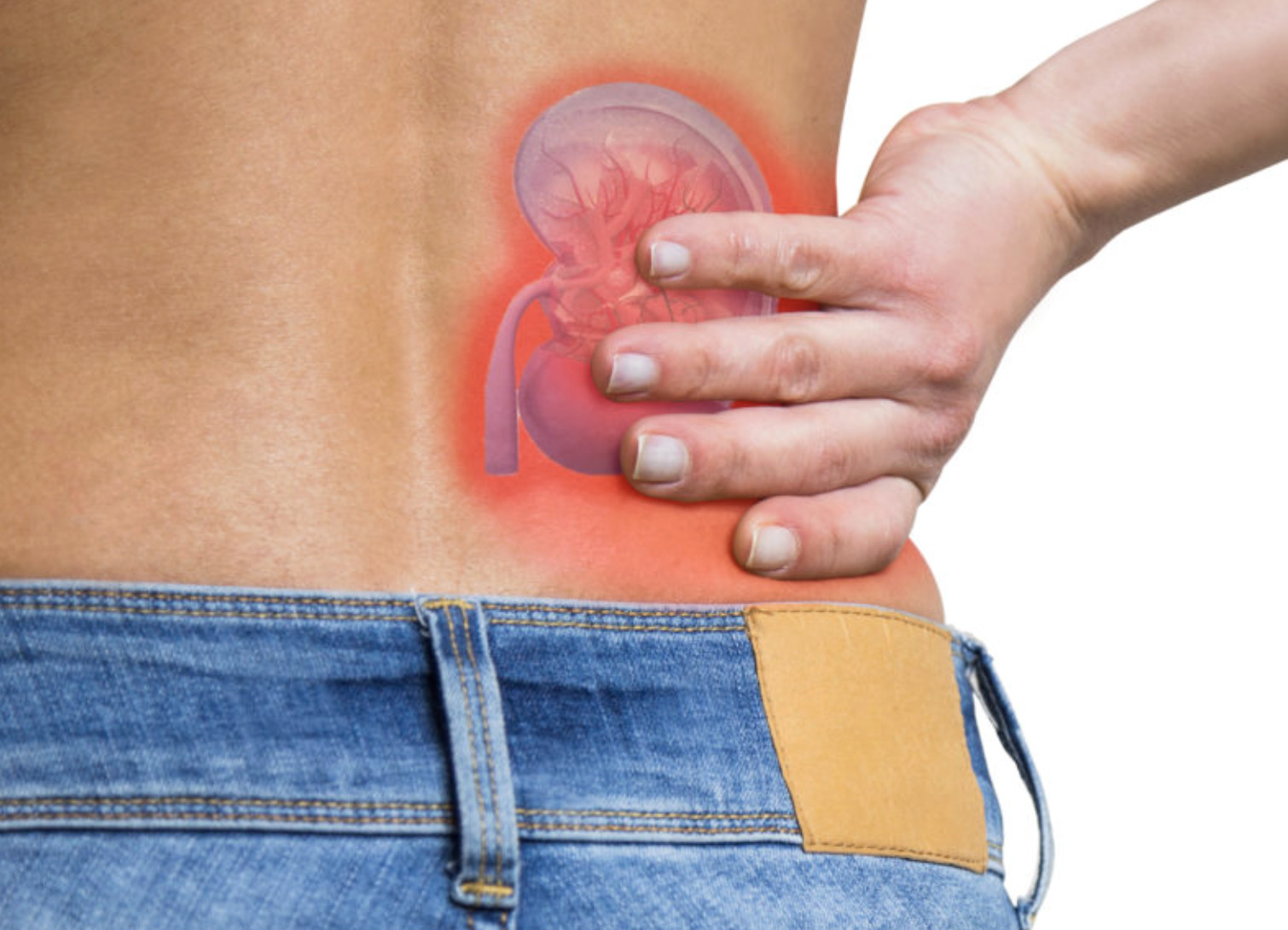
Did you know your kidneys filter your entire blood volume approximately 60 times daily? Creatinine, a waste product generated from normal muscle metabolism, serves as one of the markers doctors use to assess how well your kidneys filter blood. Healthy kidneys continuously remove creatinine from the bloodstream and excrete it through urine. They maintain relatively stable blood levels throughout the day. When kidney filtration capacity declines, creatinine accumulates in the blood.
Your serum creatinine level (a blood test that measures the amount of creatinine in your bloodstream) reflects the balance between creatinine production from muscle tissue and creatinine clearance by the kidneys. A muscular individual naturally produces more creatinine than someone with less muscle mass. This means their “normal” baseline differs. Understanding what your creatinine levels reveal requires considering these individual factors alongside the laboratory numbers.
How Kidneys Regulate Creatinine
The kidneys contain a very large number of filtering units called nephrons. Each consists of a glomerulus (a cluster of tiny blood vessels) and a tubule system (small tubes that process the filtered fluid). Blood enters the glomerulus under pressure. This forces water, electrolytes, and waste products, including creatinine, through the filtration membrane while retaining blood cells and proteins. The filtered fluid then passes through the tubules. There, the body reclaims needed substances before the remaining waste becomes urine.
Creatinine is filtered almost entirely by the glomerulus, with minimal tubular reabsorption. This predictable behaviour makes creatinine useful for estimating glomerular filtration rate (GFR). GFR represents the volume of blood filtered by the kidneys per minute.
The kidneys maintain remarkable compensation ability. You can lose substantial nephron function before creatinine levels rise noticeably. Remaining nephrons increase their individual workload. This compensation means that elevated creatinine often indicates significant kidney function loss has already occurred.
Standard Creatinine Reference Ranges
Laboratory reference ranges for serum creatinine are typically presented as follows:
Adult Men: 60-110 μmol/L
Adult Women: 45-90 μmol/L
These ranges account for average differences in muscle mass between sexes. However, your healthcare provider can discuss whether these reference ranges apply to your specific situation, based on your individual risk factors. These include your age, body composition, and overall health profile. Individual baseline values vary considerably based on these factors.
Creatinine levels naturally increase with muscle mass. Athletes and individuals who engage in resistance training often have higher baseline creatinine without any kidney dysfunction. Conversely, elderly individuals or those with muscle-wasting conditions may have lower creatinine that masks declining kidney function.
Age-related kidney changes significantly affect creatinine interpretation.
Estimated GFR
Modern kidney assessment rarely relies solely on creatinine values. Laboratories calculate estimated GFR (eGFR). This provides a more complete picture of kidney function by combining creatinine measurements with age, sex, and sometimes race. The CKD-EPI (Chronic Kidney Disease Epidemiology Collaboration) equation currently represents a commonly used calculation method in clinical practice.
eGFR provides more clinically meaningful information than raw creatinine because it accounts for factors affecting creatinine production. A creatinine of 120 μmol/L means something different in a 25-year-old bodybuilder versus a 75-year-old with sarcopenia (age-related muscle loss). The eGFR calculation adjusts for these differences. It offers better comparison across individuals.
Kidney disease staging relies on eGFR values:
- Stage 1: eGFR ≥90 with other evidence of kidney damage
- Stage 2: eGFR 60-89 with kidney damage markers
- Stage 3a: eGFR 45-59
- Stage 3b: eGFR 30-44
- Stage 4: eGFR 15-29
- Stage 5: eGFR <15 or dialysis
💡 Did You Know?
The kidneys filter your entire blood volume many times daily. They process a substantial volume of fluid through the glomeruli. Only a small portion ultimately becomes urine. The tubules reclaim most filtered water and essential substances.
Factors That Elevate Creatinine Without Kidney Disease
Creatinine increases don’t always indicate kidney problems. Understanding non-renal causes prevents unnecessary concern and guides appropriate follow-up testing.
Dietary protein intake temporarily increases creatinine levels, particularly after consuming large amounts of cooked meat. Creatinine forms from creatine found in muscle tissue. Eating meat introduces preformed creatinine, which is absorbed into the bloodstream. Fasting or following a vegetarian diet before testing produces lower readings than eating a steak dinner the night before.
Intense exercise elevates creatinine through increased muscle breakdown and reduced kidney blood flow during exertion. Marathon runners and athletes tested immediately after competition may show elevated creatinine. This normalises within a reasonable period of rest.
Certain medications interfere with how the kidney tubules process creatinine without affecting filtration. Trimethoprim (an antibiotic), cimetidine (a medication for stomach acid), and some other drugs block the way creatinine moves through the tubules. This raises blood levels while GFR remains unchanged. Informing your doctor about all medications helps interpret results accurately.
Dehydration concentrates creatinine in reduced blood volume and decreases kidney perfusion (blood flow to the kidneys). Adequate hydration before testing ensures results reflect kidney function rather than temporary fluid status.
Conditions That Affect Creatinine Production
Muscle mass directly determines creatinine production rates. Conditions that alter muscle quantity or metabolism affect baseline creatinine independent of kidney function.
Muscle-wasting diseases, including muscular dystrophies, prolonged immobilisation, and severe malnutrition, reduce creatinine production. Patients with these conditions may have deceptively low creatinine despite impaired kidney function. Cystatin C (an alternative protein marker unaffected by muscle mass) can be used for assessment in these cases.
Hyperthyroidism (overactive thyroid) accelerates protein metabolism. This increases creatinine generation. Conversely, hypothyroidism (underactive thyroid) slows metabolism and may lower creatinine. Thyroid function evaluation helps interpret unexpected creatinine values.
Rhabdomyolysis (severe muscle breakdown from trauma, extreme exertion, or certain medications) releases massive quantities of creatinine suddenly. This condition represents a medical emergency requiring immediate treatment to help prevent acute kidney injury from myoglobin accumulation (a muscle protein that can damage kidneys).
Urological Conditions Affecting Renal Function
Several urological conditions (conditions affecting the urinary system) directly impact kidney function and creatinine levels, often through obstruction or infection involving the urinary tract.
Urinary tract obstruction from kidney stones, an enlarged prostate, or tumours prevents the drainage of urine. This causes pressure to build in the collecting system. This backpressure, called hydronephrosis (swelling of the kidney due to urine build-up), impairs glomerular filtration and raises creatinine. Bilateral obstruction (blockage on both sides) or obstruction in a solitary kidney causes rapid creatinine elevation requiring urgent intervention.
Recurrent kidney infections (pyelonephritis) can cause scarring and progressive nephron loss over time. Each infection episode can potentially damage more kidney tissue, particularly when infections involve resistant organisms or are delayed.
Benign prostatic hyperplasia (BPH; non-cancerous enlargement of the prostate) in men can cause chronic urinary retention (inability to fully empty the bladder) with gradual kidney function decline if bladder outlet obstruction becomes severe. Monitoring creatinine helps identify men with BPH who may benefit from management.
Kidney stones cause acute creatinine elevation when blocking both ureters (tubes that carry urine from the kidneys to the bladder) or the ureter of a solitary kidney. Unilateral stones (affecting one side only) typically don’t significantly affect creatinine levels because the unaffected kidney compensates.
⚠️ Important Note
Sudden creatinine increases require prompt evaluation. Acute kidney injury (sudden loss of kidney function) can progress rapidly. Identifying reversible causes like obstruction, medication effects, or dehydration early can improve outcomes.
Monitoring Creatinine Over Time
Single creatinine measurements provide limited information compared to tracking values over time. Establishing your personal baseline and monitoring trends more accurately reveal kidney function trajectory than isolated readings.
Stable creatinine over months to years suggests preserved kidney function, even if values sit slightly above or below population reference ranges. Rising creatinine levels over serial measurements indicate declining function and warrant investigation, regardless of whether current values remain within “normal” limits.
The rate of creatinine change is prognostically significant. Gradual increases over the years may represent age-related decline or slowly progressive kidney disease amenable to intervention. Rapid increases over days to weeks suggest acute processes requiring urgent evaluation.
Documentation of creatinine values from different laboratories requires caution. Assay methods and calibration vary between facilities. This can cause apparent changes that reflect methodology rather than shifts in kidney function. Using the same laboratory for serial monitoring improves the accuracy of comparisons.
What Our Urologist Says
Creatinine testing tells part of the kidney function story, but understanding the complete picture requires correlating laboratory values with clinical findings. I evaluate patients’ urological conditions alongside their creatinine trends, looking for reversible causes of kidney function decline that respond to targeted treatment. Relieving urinary tract obstruction, managing recurrent infections, or addressing prostatic disease can help stabilise or improve renal function when intervened upon appropriately.
Preparing for Accurate Creatinine Testing
- Maintain regular hydration in the period before testing. Neither excessive fluid intake nor dehydration provides accurate results. Drink your usual amount of water and other beverages.
- Avoid intense exercise for a period before testing. Light walking and normal daily activities won’t significantly affect results. However, gym workouts, running, or other sports can temporarily elevate creatinine levels.
- Consider dietary protein the day before testing. While fasting isn’t typically required for creatinine tests, avoiding huge protein meals prevents dietary creatinine from affecting results.
- Report all medications to the ordering clinician, including supplements and over-the-counter products. Several substances affect creatinine levels or kidney function. This information aids interpretation.
- Note any recent illness or symptoms. Fever, vomiting, diarrhoea, and other conditions affect hydration status and kidney perfusion, potentially altering results.
When to Seek Professional Help
- Creatinine values rising on serial measurements
- Symptoms of kidney problems: decreased urination, swelling in legs or face, persistent fatigue, nausea
- Difficulty urinating, weak stream, or incomplete bladder emptying
- Blood in urine or unusually dark urine colour
- Flank pain (pain in the side of your body between the ribs and hip), suggesting kidney stones or infection
- Known urological conditions with new creatinine elevation
- High blood pressure with elevated creatinine
- Family history of kidney disease with abnormal test results
Commonly Asked Questions
How often should creatinine be checked?
Testing frequency depends on individual risk factors. Adults without kidney disease or risk factors may need testing every few years as part of routine health screening. Those with diabetes, hypertension, or existing kidney disease typically may be advised to have monitoring at regular intervals based on disease stability and treatment changes.
Can creatinine levels improve after being elevated?
Creatinine can decrease when the underlying cause is reversible. Resolving urinary obstruction, discontinuing nephrotoxic medications (medications that can harm the kidneys), treating dehydration, or controlling acute infections can often improve kidney function and lower creatinine. Chronic kidney disease with established nephron loss generally doesn’t reverse, though progression can usually be slowed.
Does drinking more water lower creatinine?
Adequate hydration supports optimal kidney function and ensures accurate testing. However, drinking excessive water doesn’t improve kidney function or reduce creatinine in someone with kidney disease. Severe overhydration can actually be dangerous, particularly for those with advanced kidney disease who cannot excrete excess fluid.
What creatinine level requires dialysis?
Dialysis decisions depend on symptoms, eGFR, and overall clinical status rather than specific creatinine thresholds. Dialysis typically begins when eGFR falls to very low levels and symptoms of uraemia or build-up of waste products in the blood develop. Some patients with lower eGFR manage without dialysis if symptoms remain controlled.
Are home creatinine tests reliable?
Home kidney function tests have improved but remain less accurate than laboratory testing. They may serve as screening tools (tests that detect potential issues in people without symptoms) between medical appointments. However, they shouldn’t replace professional testing for monitoring kidney disease or making treatment decisions.
Individual experiences vary based on personal health factors, severity of underlying conditions, and other medical considerations. Treatment approaches, monitoring schedules, and outcomes differ from person to person. This information is educational and should not replace consultation with qualified healthcare professionals who can assess your specific situation and provide personalised advice.
Conclusion
Understanding creatinine levels provides essential insight into your kidney health. Tracking values over time reveals more than single measurements, particularly when combined with eGFR calculations and clinical context. For urological conditions potentially affecting kidney function, such as urinary obstruction, recurrent infections, or kidney stones, early intervention often stabilises or improves renal function.
If you are experiencing difficulty urinating, a weak stream, incomplete bladder emptying, blood in urine, or flank pain, schedule an evaluation with a urologist to assess whether these symptoms are affecting your kidney function.